
Endpoint Protection, MDM and Device Management Services

Comprehensive Endpoint Protection and Mobile Device Management Solutions for Secure Corporate Device Security
In an increasingly digital world, the security of corporate devices is paramount. Endpoint protection and mobile device management (MDM) services are essential for safeguarding sensitive information and ensuring compliance with regulatory standards. This article delves into the key benefits of these solutions, particularly for small and medium enterprises (SMEs), and explores how they enhance security for remote and hybrid workforces. Readers will learn about the operational advantages of managed device security, the role of endpoint detection and response (EDR) in cybersecurity, and best practices for integrating cloud security with device management. By understanding these concepts, organizations can better protect their assets and streamline their IT operations.
What are the key benefits of Endpoint Protection and Mobile Device Management for SMEs?
Endpoint protection and MDM services offer several critical advantages for SMEs, enhancing their overall security posture and operational efficiency. These solutions help organizations manage and secure devices, ensuring that sensitive data remains protected from cyber threats.
- Improved Security Posture: By implementing endpoint protection, SMEs can defend against malware, ransomware, and other cyber threats, significantly reducing the risk of data breaches.
- Cost Savings on IT Management: MDM solutions streamline device management, reducing the need for extensive in-house IT support and allowing organizations to allocate resources more effectively.
- Enhanced Compliance with Regulations: These services help SMEs adhere to industry regulations by ensuring that devices meet security standards and that sensitive data is handled appropriately.
GetUK Support specializes in providing tailored endpoint protection and MDM services designed specifically for SMEs, multi-site organizations, and professional service firms.
How do these solutions enhance security for remote and hybrid workforces?
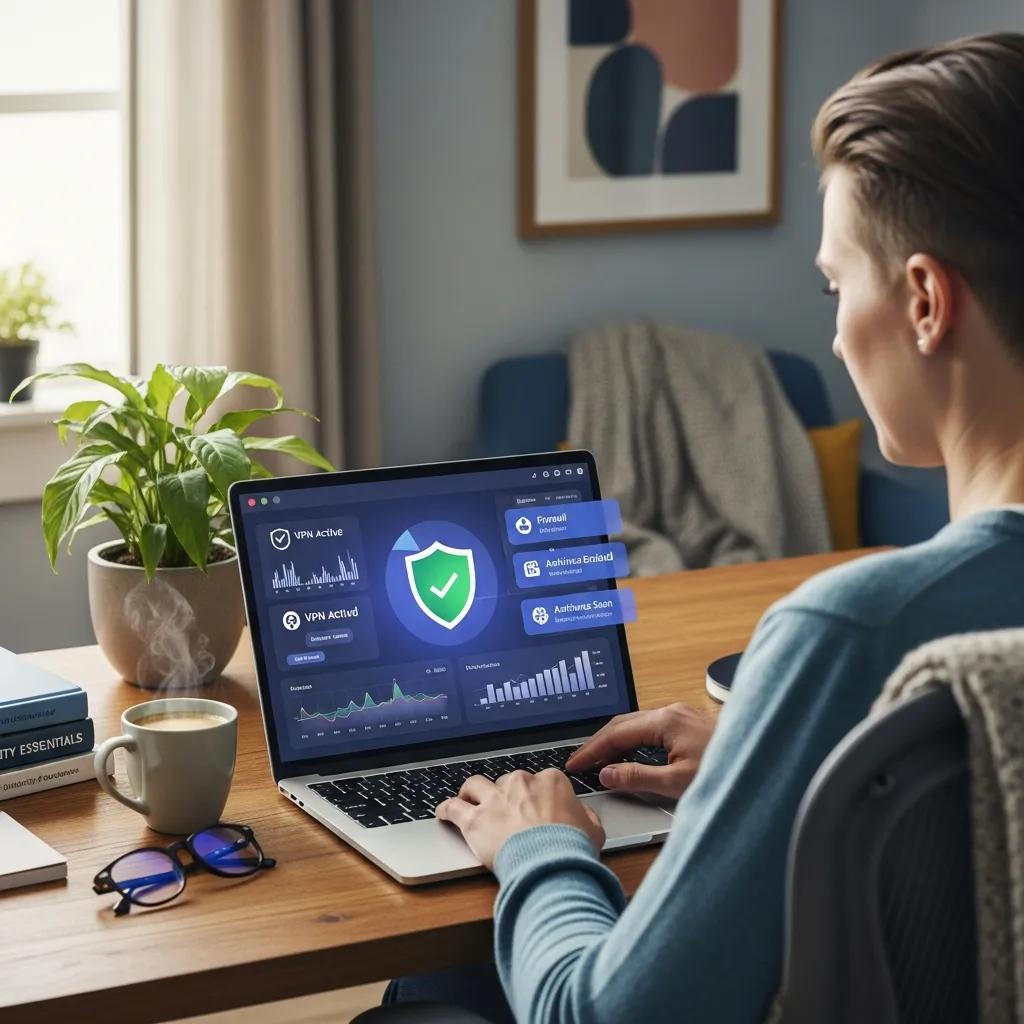
As remote and hybrid workforces become more prevalent, the need for robust security measures has never been greater. Endpoint protection and MDM solutions play a vital role in securing these environments by providing centralized management and monitoring capabilities.
- Protection Against Cyber Threats: These solutions offer real-time threat detection and response, ensuring that devices are protected from potential attacks.
- Management of Devices from a Central Location: IT teams can manage and secure devices remotely, simplifying the process of maintaining security across various locations.
- Support for Remote Access Security: By implementing secure access protocols, organizations can ensure that employees can work safely from any location without compromising sensitive data.
What cost and operational advantages do SMEs gain from managed device security?
Managed device security provides SMEs with significant financial and operational benefits, allowing them to focus on their core business activities while ensuring their devices are secure.
- Reduced Need for In-House IT Staff: By outsourcing device management, SMEs can minimize their reliance on in-house IT personnel, leading to cost savings.
- Predictable Budgeting for IT Expenses: Managed services often come with fixed pricing models, allowing organizations to better forecast their IT expenditures.
- Increased Operational Efficiency: With streamlined device management processes, SMEs can enhance productivity and reduce downtime caused by security incidents.
How does Endpoint Detection and Response improve cybersecurity for corporate devices?
Endpoint Detection and Response (EDR) is a critical component of modern cybersecurity strategies, providing organizations with advanced tools to detect and respond to threats.
EDR enhances cybersecurity by offering:
- Real-Time Threat Detection: EDR solutions continuously monitor endpoint activity, allowing for the rapid identification of potential threats.
- Automated Response to Incidents: These systems can automatically respond to detected threats, minimizing the impact of security incidents.
- Comprehensive Visibility into Endpoint Activity: EDR provides detailed insights into endpoint behavior, enabling organizations to understand and mitigate risks effectively.
Further emphasizing the critical role of EDR, recent research highlights its effectiveness in combating the dynamic landscape of modern cyber threats.
EDR Solutions: Combating Modern Cyber Threats
The rapid evolution of cyber threats has necessitated the adoption of advanced security technologies to protect organizations’ digital assets. Endpoint Detection and Response (EDR) solutions have emerged as critical components of modern cybersecurity frameworks. EDR systems offer capabilities such as real-time monitoring, threat detection, automated response mechanisms, and forensic analysis, making them essential for combating complex cyber threats like ransomware, advanced persistent threats (APTs), and zero-day exploits. This paper explores the effectiveness of EDR solutions in addressing the dynamic landscape of cyber risks. It begins with an overview of modern cyber threats and the challenges they present to traditional security measures. The discussion then delves into the operational framework of EDR solutions, highlighting key features such as continuous endpoint monitoring, behavioral analysis, and integration with other security systems. Furthermore, the paper
Effectiveness of endpoint detection and response solutions in combating modern cyber threats, 2024
What role does threat detection and device compliance play in EDR?
Threat detection and device compliance are integral to the effectiveness of EDR solutions.
- Ensures Devices Meet Security Standards: EDR solutions continuously assess devices for compliance with security policies, ensuring that all endpoints adhere to established standards.
- Identifies Vulnerabilities Proactively: By monitoring device activity, EDR can identify potential vulnerabilities before they are exploited by attackers.
- Supports Regulatory Compliance: EDR helps organizations maintain compliance with industry regulations by providing detailed reporting and audit trails.
How can AI-driven threat detection enhance endpoint security?
Artificial intelligence (AI) is revolutionizing the field of cybersecurity, particularly in the area of threat detection.
- Faster Identification of Threats: AI algorithms can analyze vast amounts of data quickly, allowing for the rapid identification of potential threats.
- Reduction of False Positives: By learning from historical data, AI can improve the accuracy of threat detection, reducing the number of false alarms.
- Adaptive Learning for Evolving Threats: AI-driven systems can adapt to new threats as they emerge, ensuring that endpoint security remains robust against evolving cyber risks.
The integration of AI into cybersecurity, particularly for SMEs, is further explored in studies assessing its viability for enhanced threat detection and response.
AI-Enabled Cybersecurity for SMEs: EDR/XDR Viability
Small medium enterprises (SMEs) are the biggest population of businesses in the world and are very susceptible to cyber-attacks because of their insufficient financial resources, technical ability and expertise. Artificial intelligence (AI) represents the promise of improving SME cyber resilience by detecting attacks and responding faster. Its practical feasibility is however not clearly known. The systematic review of fifty peer-reviewed articles and independently verified commercially available AI-based cybersecurity solutions (2018-2025) presents in this paper is aimed at assessing the viability and not the performance of AI-powered cybersecurity in SMEs. It has been demonstrated that, despite high detection performance of ensemble, supervised and deep learning approaches in controlled experimental settings, SME deployment is limited by the quality of data, computational requirements and operation maturity. According to commercial knowledge, cloud-based EDR/XDR, MDR a
AI-Enabled Cybersecurity for Small and Medium-Sized Enterprises (SMEs):
A Systematic Review and Evidence-Informed Assessment Framework, M Ahsan, 2025
What are best practices for integrating Cloud Endpoint Protection with device management?
Integrating cloud endpoint protection with device management requires careful planning and execution.
- Ensure Compatibility Between Systems: Organizations should verify that their cloud security solutions are compatible with existing device management systems to avoid integration issues.
- Regular Updates and Patches: Keeping both cloud and device management systems updated is crucial for maintaining security and functionality.
- User Training and Awareness: Educating employees about security best practices is essential for ensuring that they understand how to use the integrated systems effectively.
How does cloud integration support hybrid workforce security?

Cloud integration plays a pivotal role in enhancing security for hybrid workforces by providing centralized management and security controls.
- Centralized Management of Security Policies: Organizations can enforce consistent security policies across all devices, regardless of location.
- Scalability for Growing Teams: Cloud solutions can easily scale to accommodate the needs of expanding teams, ensuring that security measures keep pace with growth.
- Enhanced Data Protection Measures: Cloud integration allows for advanced data protection techniques, such as encryption and secure access controls, to safeguard sensitive information.
What compliance standards should be considered for cloud and device security?
Organizations must be aware of various compliance standards when implementing cloud and device security measures.
- GDPR Compliance: Ensuring that data handling practices align with GDPR regulations is crucial for organizations operating in or with clients in the EU.
- ISO 27001 Standards: Adhering to ISO 27001 standards helps organizations establish a robust information security management system.
- Industry-Specific Regulations: Depending on the sector, organizations may need to comply with additional regulations, such as HIPAA for healthcare or PCI DSS for payment processing.
How can organizations effectively monitor and manage remote devices with MDM solutions?
MDM solutions provide organizations with the tools necessary to monitor and manage remote devices effectively.
- Utilization of Dashboards for Oversight: MDM platforms often include dashboards that provide real-time visibility into device status and compliance.
- Regular Audits of Device Compliance: Conducting regular audits helps organizations ensure that all devices meet security standards and policies.
- User Access Management: MDM solutions allow organizations to manage user access to devices, ensuring that only authorized personnel can access sensitive information.
What features enable proactive remote device monitoring?
Proactive remote device monitoring is essential for maintaining security and compliance.
- Real-Time Alerts: MDM solutions can send alerts for suspicious activity, allowing for immediate investigation and response.
- Automated Reporting: Regular automated reports provide insights into device compliance and security status, helping organizations stay informed.
- User Activity Tracking: Monitoring user activity helps organizations identify potential security risks and take appropriate action.
How does MDM support regulatory compliance and policy enforcement?
MDM solutions play a crucial role in supporting regulatory compliance and enforcing security policies.
- Enforcement of Security Policies: MDM allows organizations to enforce security policies across all devices, ensuring consistent compliance.
- Audit Trails for Compliance: Detailed audit trails provide organizations with the necessary documentation to demonstrate compliance with regulatory standards.
- User Training and Policy Awareness: MDM solutions can facilitate user training programs to ensure that employees understand and adhere to security policies.
The comprehensive nature of MDM solutions extends to ensuring robust corporate security and adherence to regulatory compliance throughout the device lifecycle.
MDM for Corporate Security & Regulatory Compliance
From initiation to disposal, each phase emphasizes the importance of addressing security concerns and ensuring compliance with organizational and regulatory standards.
Dual User Profiles: A Secure and Streamlined MDM Solution for the Modern Corporate Workforce, I Doghudje, 2023