
Proactive Monitoring, Patch Management and Endpoint Care

Proactive Monitoring, Patch Management and Endpoint Security Solutions for SMEs
In an increasingly digital landscape, small and medium-sized enterprises (SMEs) face significant challenges in maintaining robust cybersecurity. Proactive monitoring, patch management, and endpoint care are essential strategies that can help SMEs safeguard their IT infrastructure. This article will explore the benefits of these practices, how they mitigate security risks, and the best practices for effective implementation. Readers will gain insights into how proactive IT management can enhance security posture, reduce downtime, and ensure compliance with industry standards. We will also discuss how GetUK Support, a UK-based IT service provider, tailors its services to meet the unique needs of SMEs.
What Are the Benefits of Proactive IT Monitoring and Patch Management?
Proactive IT monitoring and patch management are critical components of a comprehensive cybersecurity strategy. These practices involve continuously overseeing IT systems and applying necessary updates to software and hardware. The primary benefits include:
- Reduced Downtime: By identifying and addressing potential issues before they escalate, businesses can minimize disruptions to operations.
- Enhanced Security Posture: Regular updates and monitoring help protect against vulnerabilities that could be exploited by cybercriminals.
- Improved Compliance: Many industries have specific regulations regarding data protection. Proactive measures ensure that businesses remain compliant with these standards.
GetUK Support specializes in providing tailored IT management solutions that include proactive monitoring and patch management, ensuring that SMEs can focus on their core business activities while maintaining a secure IT environment.
How Does Proactive Monitoring Reduce Security Risks?

Proactive monitoring plays a vital role in minimizing security threats by providing continuous oversight of IT systems. This approach allows for:
- Timely Updates: Regularly applying security patches helps close vulnerabilities that could be exploited by attackers.
- Threat Detection: Continuous monitoring enables the early identification of suspicious activities, allowing for swift responses to potential breaches.
By implementing proactive monitoring, SMEs can significantly reduce their risk of falling victim to cyberattacks, thereby protecting sensitive data and maintaining customer trust.
Why Is Automated Patch Deployment Essential for Endpoint Care?
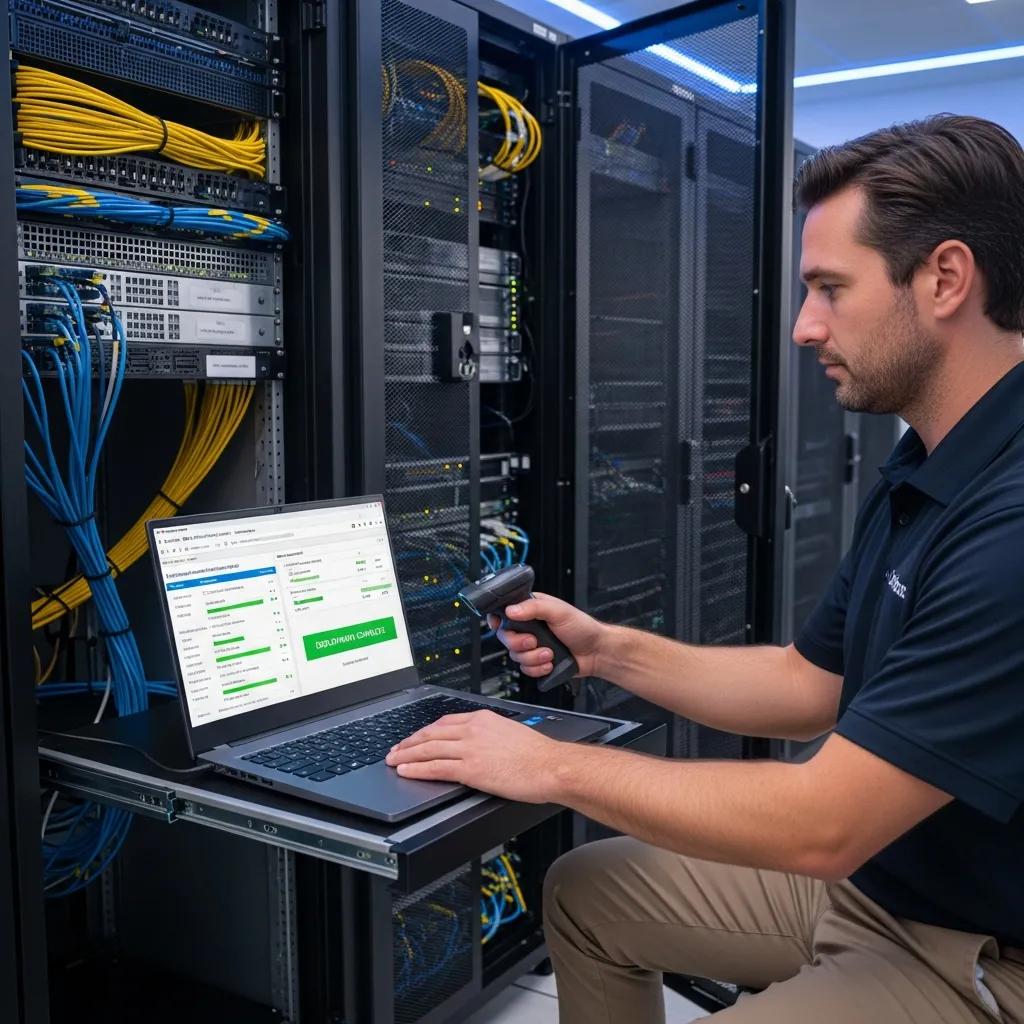
Automated patch deployment is crucial for effective endpoint care, as it streamlines the process of applying updates across multiple devices. The key advantages include:
- Efficiency in Updates: Automation reduces the time and effort required to manage patches manually, allowing IT teams to focus on more strategic tasks.
- Reduction of Vulnerabilities: Regularly updated systems are less likely to be compromised, as they are equipped with the latest security features.
- Compliance Adherence: Automated systems ensure that all endpoints are consistently updated, helping organizations meet regulatory requirements.
By leveraging automated patch deployment, SMEs can enhance their endpoint security and reduce the likelihood of security incidents.
How Do Endpoint Security Solutions Protect Remote and Hybrid Workforces?
Endpoint security solutions are designed to safeguard devices that connect to a corporate network, particularly in remote and hybrid work environments. These solutions provide:
- Secure Access: Ensuring that only authorized users can access sensitive information, thereby reducing the risk of data breaches.
- Data Protection: Implementing encryption and other security measures to protect data in transit and at rest.
- User Authentication: Utilizing multi-factor authentication to verify user identities before granting access to critical systems.
As remote work becomes more prevalent, effective endpoint security solutions are essential for protecting organizational assets and maintaining operational integrity.
Further research emphasizes the critical need for robust frameworks to secure mobile devices and endpoints, especially given the diverse threats they face in modern business environments.
Mobile Device & Endpoint Security Framework for SMEs
Mobile devices offer great flexibility and improved productivity for all employees; however, they can also introduce additional security risks. These risks encompass malware infections, phishing attempts, data leakage, network-based attacks, app-based threats, insider threats, device theft or loss, and vulnerabilities associated with jailbreaking or rooting devices. Effectively managing and mitigating these risks has become imperative for enterprises aiming to protect their sensitive information and maintain a secure environment. This research proposes a framework to enhance the mobile device security posture in Small and Medium Enterprises (SMEs) and demonstrates a practical implementation of the framework by incorporating Mobile Application Management (MAM), Endpoint Security, and System Information and Event Management (SIEM) solutions.
A Novel Mobile Device Security Framework for SMEs, 2025
What Are Best Practices for Endpoint Protection in SMEs?
To ensure robust endpoint protection, SMEs should adopt several best practices:
- Regular Updates: Consistently apply software and security updates to all devices to mitigate vulnerabilities.
- User Training: Educate employees about cybersecurity risks and safe practices to reduce the likelihood of human error.
- Incident Response Plans: Develop and maintain a clear plan for responding to security incidents to minimize damage and recovery time.
By following these best practices, SMEs can create a resilient security framework that protects their endpoints from emerging threats.
How Does IT Infrastructure Monitoring Support Cybersecurity?
IT infrastructure monitoring is integral to a comprehensive cybersecurity strategy. It provides:
- Visibility into Systems: Continuous monitoring offers insights into system performance and security status, enabling proactive management.
- Proactive Threat Management: Identifying potential threats before they materialize allows organizations to take preventive measures.
- Resource Optimization: Monitoring helps ensure that IT resources are used efficiently, reducing costs and improving overall performance.
Effective IT infrastructure monitoring supports a proactive approach to cybersecurity, helping SMEs stay ahead of potential threats.
Which Remote IT Monitoring Services Enhance Patch Management Efficiency?
Several remote IT monitoring services can significantly enhance patch management efficiency for SMEs. These services typically offer:
- Automated Patch Management: Streamlining the process of applying updates across all devices.
- Real-Time Monitoring: Providing immediate alerts for any issues that arise, allowing for quick remediation.
- Comprehensive Reporting: Offering insights into patch status and compliance levels, helping organizations maintain regulatory adherence.
By utilizing these services, SMEs can improve their patch management processes and enhance their overall security posture.
What Tools Are Used for Automated Patch Deployment?
Automated patch deployment tools are essential for maintaining up-to-date systems. Common tools include:
- Microsoft WSUS: A built-in tool for managing updates in Windows environments.
- ManageEngine Patch Manager Plus: A comprehensive solution for automating patch management across various platforms.
- Ivanti Patch Management: A tool that provides automated patching for both on-premises and cloud environments.
These tools help organizations streamline their patch management processes, ensuring that all systems are secure and compliant.
How Can SMEs Implement Effective Endpoint Care and Cybersecurity Measures?
To implement effective endpoint care and cybersecurity measures, SMEs should consider the following steps:
- Assessment of Needs: Evaluate the specific security requirements of the organization to tailor solutions accordingly.
- Tailored Solutions: Work with IT service providers like GetUK Support to develop customized strategies that address unique challenges.
- Ongoing Support: Ensure that there is a plan for continuous monitoring and support to adapt to evolving threats.
By taking these steps, SMEs can establish a robust cybersecurity framework that protects their assets and supports business continuity.
What Are Compliance Standards Relevant to Patch Management?
Compliance standards play a crucial role in guiding organizations on how to manage their IT systems securely. Relevant standards include:
- GDPR: Regulations that require organizations to protect personal data and privacy.
- ISO Standards: International standards that provide guidelines for information security management.
- Industry-Specific Regulations: Various sectors have specific compliance requirements that organizations must adhere to.
Understanding and implementing these compliance standards is essential for SMEs to avoid legal penalties and maintain customer trust.
How Does GetUK Support Tailor IT Services for SMEs?
GetUK Support specializes in providing tailored IT services for SMEs, focusing on:
- Customized Solutions: Developing IT management strategies that align with the specific needs of each business.
- Client Engagement: Actively involving clients in the planning and implementation process to ensure their requirements are met.
- Ongoing Assessment: Regularly reviewing and updating IT strategies to adapt to changing business environments and emerging threats.
By offering these tailored services, GetUK Support helps SMEs enhance their cybersecurity posture and achieve their business objectives.