
24/7 Support Operations, Monitoring and Incident Response

24/7 IT Support Services UK: Comprehensive Monitoring and Incident Response Solutions for SMEs
In today’s fast-paced digital landscape, businesses face an array of IT challenges that require constant vigilance and rapid response. 24/7 IT support services are essential for ensuring that organizations can maintain operational continuity and protect their data from cyber threats. This article delves into the mechanisms, benefits, and tools associated with 24/7 support operations, monitoring, and incident response, particularly for small and medium-sized enterprises (SMEs) and multi-site organizations. Readers will learn how continuous IT monitoring safeguards their operations, the technologies that enable effective cyber security monitoring, and the critical steps involved in incident response. By understanding these elements, businesses can better prepare for potential threats and enhance their IT resilience.
What are 24/7 IT Support and Monitoring Services?
24/7 IT support and monitoring services provide round-the-clock assistance and oversight to ensure that IT systems are functioning optimally. These services include proactive monitoring of networks, systems, and applications to detect and resolve issues before they escalate into significant problems. The primary benefit of such services is the minimization of downtime, which can be costly for businesses. By having a dedicated team monitoring systems continuously, organizations can ensure that their IT infrastructure remains secure and efficient.
How does continuous IT monitoring protect SMEs and multi-site organizations?
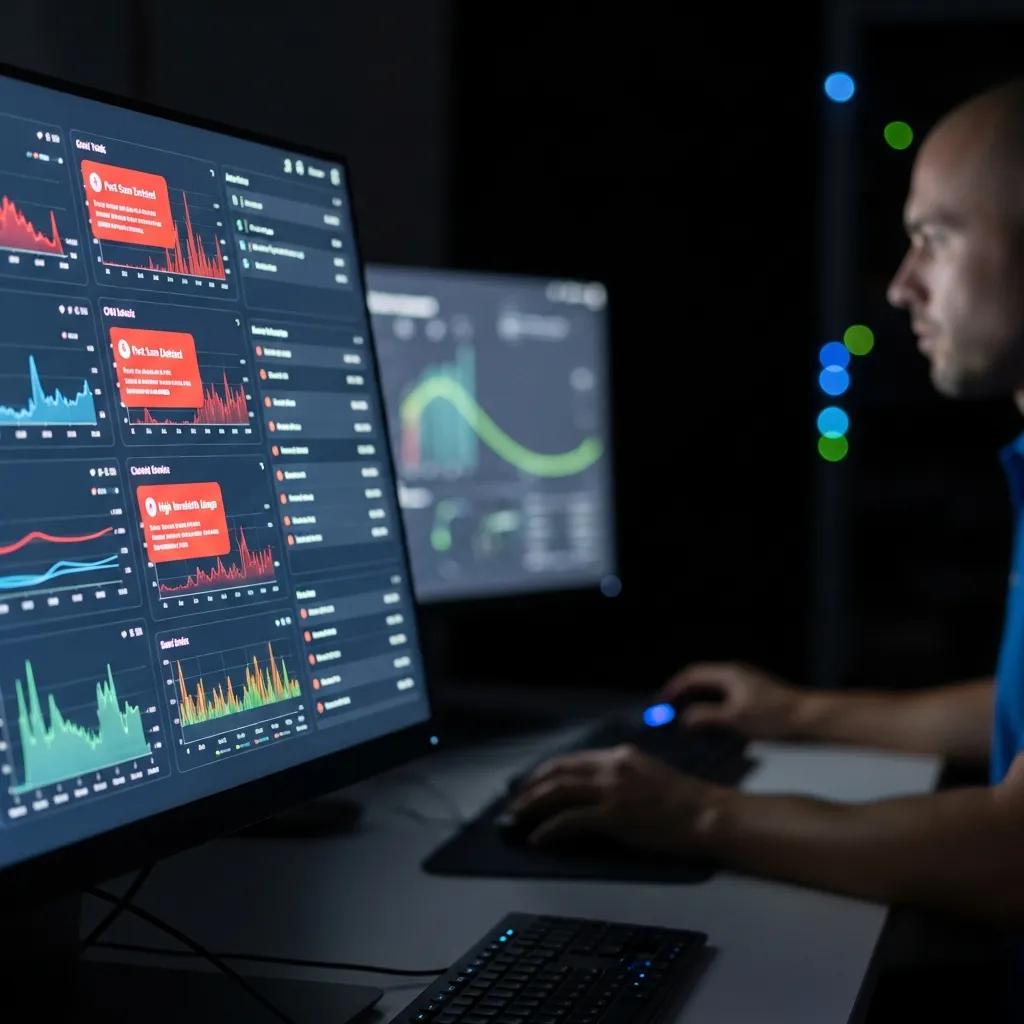
Continuous IT monitoring plays a crucial role in safeguarding SMEs and multi-site organizations from potential threats. By employing proactive threat detection mechanisms, businesses can identify vulnerabilities and respond to incidents swiftly. This approach not only minimizes downtime but also enhances operational efficiency by ensuring that systems are always running at peak performance. Furthermore, continuous monitoring allows organizations to maintain compliance with industry regulations, thereby avoiding potential legal issues.
What tools and technologies enable effective cyber security monitoring?
Effective cyber security monitoring relies on a variety of tools and technologies designed to detect and respond to threats in real-time. These include:
- Network Monitoring Tools: These tools analyze network traffic to identify unusual patterns that may indicate a security breach.
- Intrusion Detection Systems (IDS): IDS solutions monitor network traffic for suspicious activity and alert administrators to potential threats.
- Security Information and Event Management (SIEM): SIEM systems aggregate and analyze security data from across the organization to provide a comprehensive view of the security landscape.
Research further emphasizes the critical role of Security Information and Event Management (SIEM) systems in bolstering cybersecurity for small and medium-sized enterprises.
SIEM Solutions for SME Cybersecurity Monitoring & Response
Small and Medium Enterprises (SMEs), which are the backbone of the global economy are particularly vulnerable to these threats due to inadequate protection for critical and sensitive information, budgetary constraints, and lack of cybersecurity expertise and personnel. Security Information and Event Management (SIEM) systems have emerged as pivotal tools for monitoring, detecting, and responding to security incidents.
Cybersecurity on a budget: Evaluating security and performance of open-source SIEM solutions for SMEs, J Manzoor, 2024
Further studies highlight how integrating AI with SIEM solutions can significantly enhance real-time threat detection and mitigation capabilities for SMEs.
AI & SIEM Integration for Real-time SME Threat Detection
Small and medium-sized businesses are increasingly vulnerable to cyber threats due to their limited resources and expertise in cybersecurity. This conference paper investigates the integration of Security Information and Event Management (SIEM) systems and Artificial Intelligence (AI) solutions as a comprehensive approach to enhance their ability to detect threats and mitigate them. SIEM systems centralize data collection, analysis, and incident management, enabling organizations to detect complex security threats in real time.
Enhancing Cybersecurity for SMEs: Integrating AI and SIEM Solutions for Threat Detection and Mitigation, 2025
By leveraging these technologies, organizations can enhance their ability to detect and respond to cyber threats effectively.
How Does Incident Response Work in Managed IT Services?
Incident response in managed IT services involves a structured approach to addressing and managing the aftermath of a security breach or cyber attack. The process typically includes several key steps, such as preparation, detection, analysis, containment, eradication, and recovery. Each step is critical to ensuring that the organization can respond effectively and minimize the impact of the incident.
What are the key steps in an incident response process?
The key steps in an incident response process include:
- Preparation: Establishing an incident response plan and training staff on their roles.
- Detection and Analysis: Identifying potential incidents through monitoring and analysis of security data.
- Containment, Eradication, and Recovery: Implementing measures to contain the incident, remove the threat, and restore systems to normal operation.
These steps are essential for ensuring a swift and effective response to security incidents.
How do incident response teams mitigate cyber security threats?

Incident response teams play a vital role in mitigating cyber security threats by conducting thorough threat assessments and implementing response strategies. They analyze the nature of the threat, determine its impact, and develop a plan to address it. Post-incident analysis is also crucial, as it helps organizations learn from the incident and improve their security posture moving forward.
What Cloud Infrastructure Management Solutions Support Remote IT Support?
Cloud infrastructure management solutions are essential for supporting remote IT support operations. These solutions enable organizations to manage their IT resources effectively, regardless of location. Key components include:
- Cloud Management Tools: These tools facilitate the monitoring and management of cloud resources, ensuring optimal performance and security.
- Remote Desktop Solutions: Allow IT teams to access and troubleshoot systems remotely, providing timely support to users.
- Backup and Recovery Solutions: Ensure that data is securely backed up and can be restored quickly in the event of an incident.
By utilizing these solutions, organizations can enhance their remote IT support capabilities and ensure business continuity.
How does cloud security monitoring enhance IT resilience?
Cloud security monitoring enhances IT resilience by providing continuous oversight of cloud environments. This proactive approach allows organizations to identify and address potential security issues before they escalate. Key benefits include:
- Continuous Monitoring: Ensures that any anomalies are detected and addressed promptly.
- Risk Management: Helps organizations assess and mitigate risks associated with cloud services.
- Compliance: Assists in maintaining compliance with industry regulations and standards.
These factors contribute to a more resilient IT infrastructure capable of withstanding cyber threats.
What are best practices for managing cloud services in SMEs?
Managing cloud services effectively is crucial for SMEs to maximize their benefits while minimizing risks. Best practices include:
- Cost Management: Regularly review cloud usage to optimize costs and avoid unnecessary expenses.
- Security Practices: Implement robust security measures, including encryption and access controls, to protect sensitive data.
- Performance Monitoring: Continuously monitor cloud performance to ensure that services meet organizational needs.
By following these best practices, SMEs can enhance their cloud service management and overall IT resilience.
Why Choose GetUK Support for IT Support and Incident Management Solutions?
GetUK Support is a UK-based IT service provider specializing in 24/7 support operations, monitoring, and incident response tailored for SMEs, multi-site organizations, and businesses lacking in-house IT teams. Choosing GetUK Support means benefiting from tailored solutions designed to meet the unique needs of your business. Their expertise in IT support ensures that your organization can navigate the complexities of modern IT challenges effectively.
How do tailored 24/7 support operations benefit your business?
Tailored 24/7 support operations provide several advantages for businesses, including:
- Customization of Services: Solutions are designed to fit the specific needs of your organization.
- Improved Response Times: Rapid response to incidents minimizes potential downtime.
- Enhanced Client Satisfaction: Reliable support fosters trust and satisfaction among clients.
These benefits contribute to a more efficient and effective IT environment.
What client success stories demonstrate effective incident response?
Client success stories highlight the effectiveness of incident response strategies in real-world scenarios. For instance, organizations that have implemented GetUK Support’s incident response solutions have reported significant reductions in downtime and improved recovery times following incidents. These case studies serve as a testament to the value of having a dedicated IT support partner.
| Strategy | Mechanism | Benefit | Impact Level |
|---|---|---|---|
| Proactive Monitoring | Continuous oversight of systems | Early threat detection | High |
| Incident Response Planning | Structured response to incidents | Minimized impact | High |
| Cloud Security Solutions | Protection of cloud environments | Enhanced resilience | Medium |