
Complete Guide to Managed IT Services and Business Support

Complete Guide to Managed IT Services UK and Business IT Support Solutions
Managed IT services have become essential for businesses looking to streamline operations and enhance productivity. This comprehensive guide explores the various aspects of managed IT services, including their definition, key features, and how they support UK businesses. Readers will learn about the benefits of these services, particularly in the context of cyber security and cloud computing solutions. As many companies face challenges in managing their IT infrastructure, understanding managed IT services can provide a strategic advantage. This article will cover the definition of managed IT services, their key features, the importance of cyber security for SMEs, and the advantages of cloud computing for modern workforces.
What Are Managed IT Services and How Do They Support UK Businesses?
Managed IT services refer to the practice of outsourcing IT management responsibilities to a third-party provider. This approach allows businesses to focus on their core operations while ensuring that their IT infrastructure is maintained and optimized. Managed IT services support UK businesses by providing access to expert knowledge, advanced technologies, and proactive management of IT systems. This not only enhances operational efficiency but also reduces the risk of downtime and security breaches.
Defining Managed IT Services and Their Key Features
Managed IT services encompass a range of solutions designed to improve IT performance and security. Key features include:
- 24/7 Monitoring: Continuous oversight of IT systems to identify and resolve issues before they impact business operations.
- Proactive Maintenance: Regular updates and maintenance to ensure systems are running optimally and securely.
- Scalability: The ability to adjust services based on business needs, allowing for growth without significant upfront investment.
These features collectively enhance the reliability and efficiency of IT operations, making managed IT services a valuable investment for businesses.
How Managed IT Services Enhance Business IT Support
Managed IT services significantly enhance business IT support by providing tailored solutions that address specific organizational needs. They improve efficiency through streamlined processes and reduce costs by eliminating the need for in-house IT teams. Additionally, managed IT services offer scalability, allowing businesses to adapt their IT resources as they grow. This flexibility is crucial for companies looking to remain competitive in a rapidly changing market.
GetUK Support, a UK-based managed IT services provider, focuses on delivering comprehensive IT solutions tailored for growing SMEs and multi-site organizations. Their services include IT support, cyber security, and cloud solutions, ensuring that businesses can operate smoothly and securely.
Which Cyber Security Services Are Essential for SMEs in the UK?
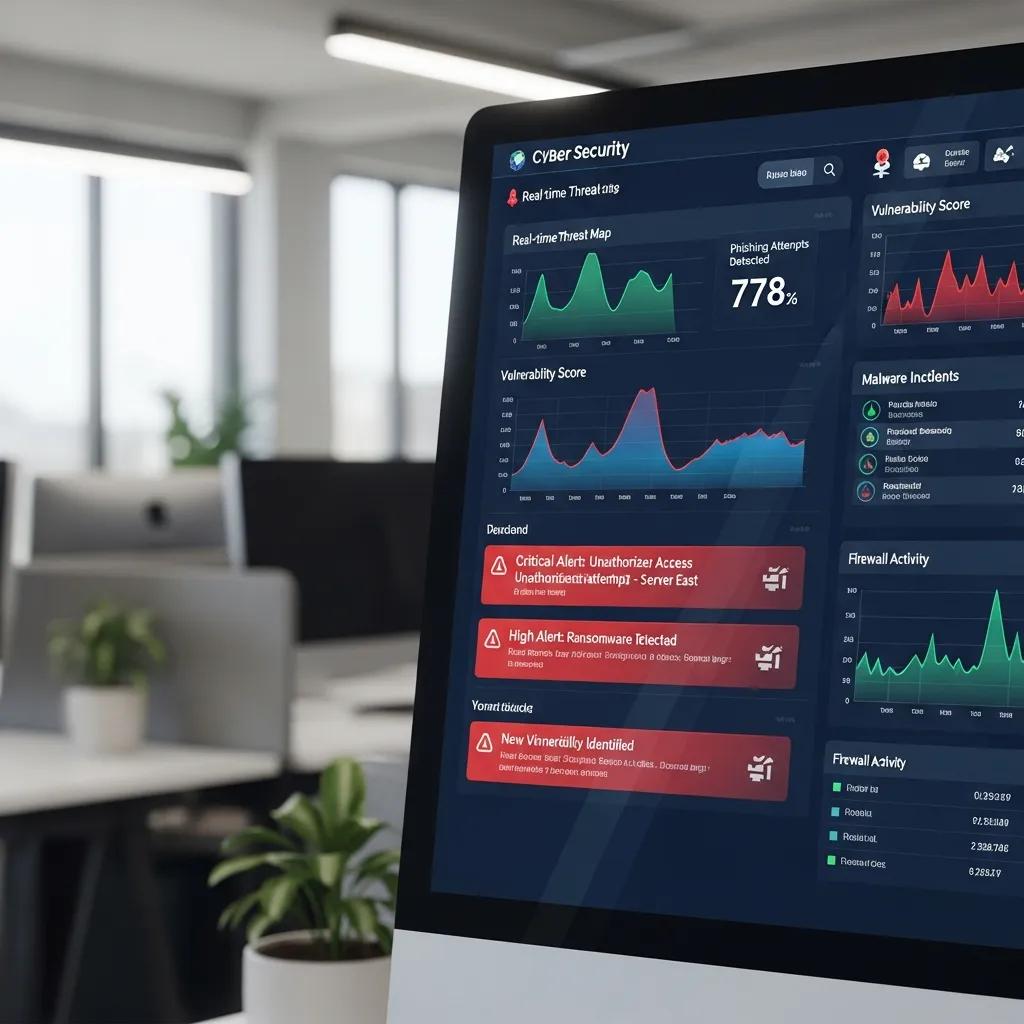
Cyber security is a critical concern for SMEs in the UK, as they often lack the resources to implement robust security measures. Essential cyber security services include:
- Network Security Solutions: Protecting the integrity of networks and data from unauthorized access and attacks.
- Data Encryption: Ensuring sensitive information is secure during transmission and storage.
- Regular Security Audits: Assessing vulnerabilities and compliance with regulations to mitigate risks.
These services are vital for safeguarding business data and maintaining customer trust.
Research highlights the importance of understanding how UK SMEs approach cybersecurity information sharing and management.
Cybersecurity Information Sharing for UK SMEs
The sample consisted of 37 participants from 17 UK SME business owners and cybersecurity professionals in SMEs, since it was designed to explore information sharing and cybersecurity metrics.
Cybersecurity information sharing: A framework for information security management in UK SME supply chains, P Louvieris, 2014
GetUK Support offers tailored cyber security solutions designed specifically for SMEs, helping them navigate the complexities of digital threats.
Further studies delve into the broader economic implications of cybersecurity for small and medium-sized enterprises in the UK.
Cybersecurity’s Economic Impact on UK SMEs
This study explores the economic role of cybersecurity in Small and Medium Enterprises (SMEs), situating cybersecurity within the framework of merit-goods within the economic theory.
Exploring the economic role of cybersecurity in SMEs: A case study of the UK, MF Arroyabe, 2024
Core Cyber Security Measures to Protect Business Data
To effectively protect business data, organizations should implement several core cyber security measures:
- Firewalls: Act as a barrier between trusted internal networks and untrusted external networks, preventing unauthorized access.
- Antivirus Software: Detects and removes malicious software that can compromise system integrity.
- Employee Training: Educating staff on best practices for data security to reduce the risk of human error.
Implementing these measures can significantly enhance a business’s overall security posture.
How Cyber Security Services Integrate with Managed IT Support
The integration of cyber security services with managed IT support creates a comprehensive approach to IT management. This synergy allows for improved response times to security incidents and ensures that security protocols are consistently applied across all IT systems. By combining these services, businesses can achieve a higher level of protection against cyber threats while benefiting from the efficiency of managed IT services.
The strategic integration of cybersecurity within managed IT services is crucial for developing proactive risk management frameworks.
Integrating Cybersecurity in Managed IT Services
A system of guidelines for an information security-, cyber security- and data privacy-specific document structure of the managed services (MS) is also developed to support proactive CS risk management.
Critical success factor for integration of cyber security in context of managed services, M Olaru, 2022
| Cyber Security Service | Integration Benefit | Impact Level |
|---|---|---|
| Network Security Solutions | Enhanced protection against breaches | High |
| Data Encryption | Safeguards sensitive information | High |
| Regular Security Audits | Identifies vulnerabilities proactively | Medium |
This table illustrates how different cyber security services contribute to a robust managed IT support framework.
How Do Cloud Computing Solutions Benefit UK SMEs and Remote Workforces?

Cloud computing solutions offer numerous benefits for UK SMEs and remote workforces. They provide flexibility and scalability, allowing businesses to access resources on-demand without the need for significant capital investment. Additionally, cloud solutions enhance collaboration by enabling teams to work together seamlessly, regardless of location. This is particularly important in today’s hybrid work environment, where remote access to data and applications is essential for productivity.
Advantages of Cloud Migration for Business Continuity
Migrating to cloud solutions offers several advantages for business continuity:
- Disaster Recovery: Cloud services often include backup and recovery options, ensuring data is safe in case of an incident.
- Business Resilience: Cloud infrastructure can quickly adapt to changing business needs, minimizing downtime.
- Cost Efficiency: Reduces the need for physical hardware and maintenance, leading to lower operational costs.
These advantages make cloud migration a strategic choice for businesses looking to enhance their operational resilience.
Supporting Remote and Hybrid Work with Cloud Infrastructure
Cloud infrastructure plays a crucial role in supporting remote and hybrid work models. It provides essential tools and resources that enable employees to access company data securely from anywhere. Key features include:
- Remote Access Capabilities: Employees can connect to their work environment from any location, facilitating flexibility.
- Collaboration Tools: Cloud-based applications allow teams to communicate and collaborate effectively, regardless of their physical location.
- Security Measures: Robust security protocols protect sensitive data while enabling remote access.
By leveraging cloud infrastructure, businesses can maintain productivity and security in a remote work environment.
What Are the Best Practices for Remote IT Support and Multi-site IT Management?
Effective remote IT support and multi-site IT management require adherence to best practices that ensure seamless operations. These include:
- Effective Communication: Establishing clear channels for communication between IT teams and employees.
- Regular Updates: Keeping all systems and software up to date to mitigate security risks.
- Centralized Management: Utilizing centralized tools to monitor and manage IT resources across multiple locations.
Implementing these practices can enhance the efficiency and effectiveness of IT support in a distributed work environment.
Effective IT Support Models for Remote and Hybrid Teams
To support remote and hybrid teams effectively, businesses should consider adopting specific IT support models. These models include:
- Proactive Support: Anticipating and addressing potential issues before they escalate.
- 24/7 Availability: Ensuring IT support is accessible at all times to address urgent needs.
- Tailored Solutions: Customizing IT support services to meet the unique requirements of remote teams.
These models help ensure that remote and hybrid teams receive the support they need to perform optimally.
Managing IT Across Multiple Business Locations Efficiently
Managing IT across multiple business locations requires strategic planning and execution. Key strategies include:
- Centralized Systems: Implementing centralized IT systems to streamline management and reduce redundancy.
- Standardized Processes: Establishing uniform processes across locations to ensure consistency and efficiency.
- Regular Training: Providing ongoing training for staff to keep them informed about IT policies and procedures.
By adopting these strategies, businesses can enhance their IT management capabilities and ensure smooth operations across all locations.