
IT Asset Management, Inventory and Lifecycle Services

Comprehensive IT Asset Management, Inventory, and Lifecycle Services for Efficient Hardware Tracking and Disposal
Effective IT asset management is crucial for organizations aiming to optimize their hardware resources throughout their lifecycle. This process encompasses various stages, including procurement, tracking, maintenance, and disposal, ensuring that assets are utilized efficiently and responsibly. In this article, we will explore the key stages of hardware asset lifecycle management, the benefits of device lifecycle management, and best practices for IT inventory management software. Additionally, we will discuss how IT asset tracking solutions enhance inventory accuracy and the importance of compliant and sustainable asset disposal services in the UK.
Understanding these concepts is essential for businesses, especially those without in-house IT teams, as they navigate the complexities of managing their IT assets. We will also highlight how GetUK Support, a UK-based IT service provider, can assist organizations in implementing these strategies effectively.
What are the key stages of Hardware Asset Lifecycle Management?
Hardware asset lifecycle management involves several critical stages that ensure effective management of IT assets from acquisition to disposal. The key stages include:
- Procurement: This initial stage involves selecting and acquiring hardware assets that meet the organization’s needs. It is essential to consider factors such as cost, compatibility, and vendor reliability during procurement.
- Tracking: Once assets are acquired, tracking their usage and location becomes vital. This stage ensures that organizations have real-time visibility into their hardware inventory, which aids in efficient resource allocation.
- Maintenance: Regular maintenance is necessary to prolong the lifespan of hardware assets. This includes routine checks, updates, and repairs to ensure optimal performance.
- Disposal: The final stage involves the responsible disposal of hardware assets that are no longer needed. This process must comply with regulations to ensure data security and environmental sustainability.
By understanding these stages, organizations can implement effective IT asset management strategies that enhance operational efficiency and reduce costs.
The practical application of these principles is evident in various organizational settings, highlighting the comprehensive nature of IT asset lifecycle management.
University IT Asset Lifecycle Management & Sustainable Disposal
When I began here at the University of Richmond, I was hired to purchase the hardware and software for all university desktop systems. (My title is procurement coordinator for Information Services.) Shortly after my arrival, my job description changed to encompass the tracking of desktop computer assets due to the overwhelming need for managing the life cycle of these assets from cradle (purchase) to grave (disposal).Asset managementinvolves knowing:* What assets are in your total inventory of equipment* Details of each asset (make and manufacturer)* Configuration of each asset (for example, desktop computer with a dual core processor, 160 GB hard drive, and 3 GB of RAM)* Status of each asset, whether it is currently in storage, in use, or scheduled to be redeployed
Asset management and sustainability at the University of Richmond, 2009
How does device lifecycle management optimize asset performance?
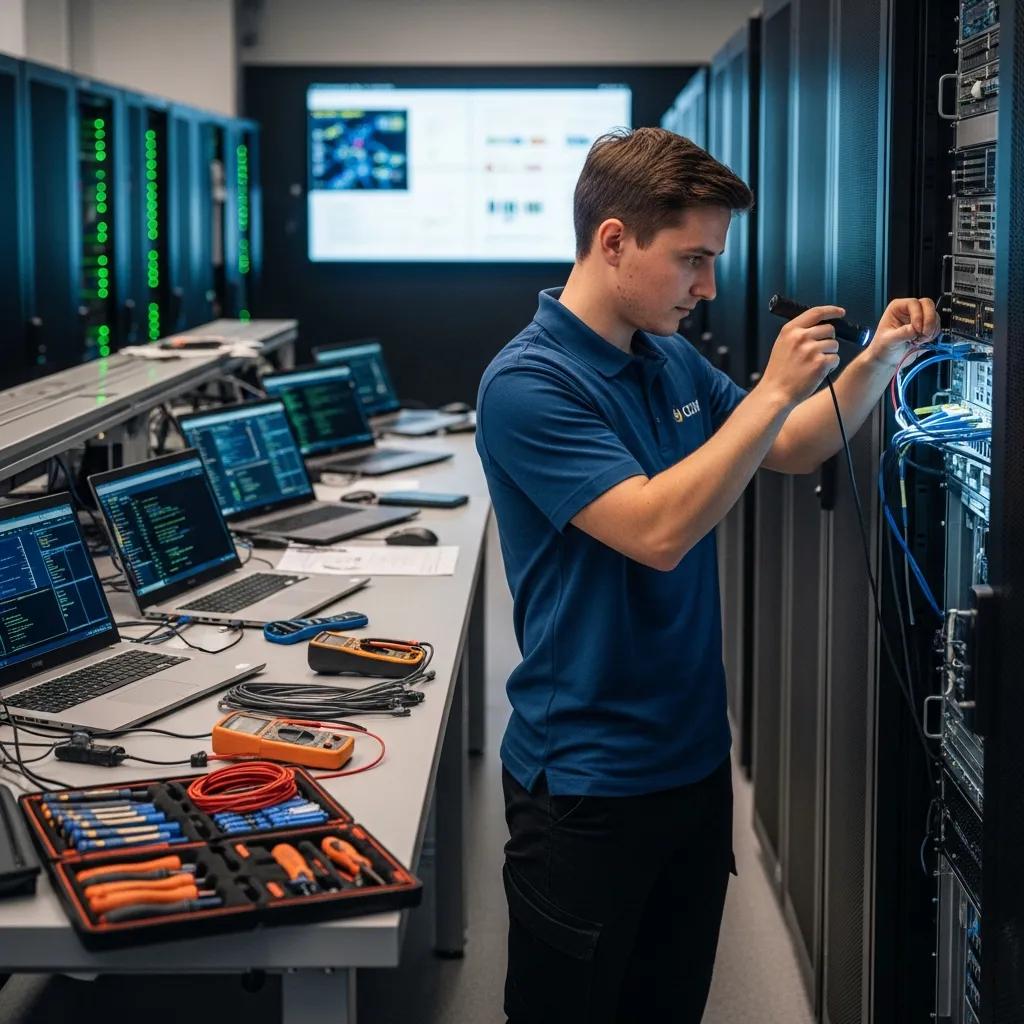
Device lifecycle management plays a significant role in optimizing the performance of IT assets. By managing devices throughout their lifecycle, organizations can achieve improved efficiency, cost savings, and enhanced security.
Effective lifecycle management ensures that devices are regularly updated and maintained, which minimizes downtime and maximizes productivity. Additionally, organizations can identify underutilized assets and reallocate them as needed, leading to significant cost savings. Enhanced security measures can also be implemented during the lifecycle, protecting sensitive data and reducing the risk of breaches.
For tailored solutions in device lifecycle management, GetUK Support offers comprehensive services that help organizations streamline their asset management processes, ensuring optimal performance and security.
What are best practices for IT inventory management software?
Implementing effective IT inventory management software is crucial for maintaining accurate records of hardware assets. Here are some best practices to consider:
- Automation Features: Look for software that automates routine tasks such as asset tracking and reporting. Automation reduces manual errors and saves time.
- User-Friendly Interface: A user-friendly interface ensures that all team members can easily navigate the software, facilitating better adoption and usage.
- Integration Capabilities: Choose software that integrates seamlessly with other systems, such as procurement and maintenance tools, to create a cohesive management environment.
By following these best practices, organizations can enhance their inventory management processes, leading to improved accuracy and efficiency.
| Software | Feature | Benefit |
|---|---|---|
| AssetTrack | Automated Alerts | Reduces manual tracking errors |
| InventoryPro | User-Friendly Dashboard | Enhances user adoption |
| ManageIT | Integration with Procurement | Streamlines asset management |
This comparison highlights how different IT inventory management solutions can provide distinct benefits, ultimately supporting better asset management practices.
How do IT Asset Tracking Solutions enhance hardware inventory accuracy?
IT asset tracking solutions are essential for enhancing the accuracy of hardware inventory. These solutions utilize technologies such as barcoding and RFID to provide real-time tracking of assets.
Real-time tracking allows organizations to maintain accurate records of asset locations and statuses, reducing the risk of loss or misplacement. Additionally, data accuracy is improved through automated updates, which minimize human error. Reporting features also enable organizations to generate insights into asset utilization, helping to inform future procurement decisions.
Which features should effective hardware asset tracking include?
Effective hardware asset tracking solutions should encompass several key features to ensure optimal performance:
- Barcode Scanning: This feature allows for quick and accurate asset identification, streamlining the tracking process.
- Inventory Alerts: Automated alerts notify users of low stock levels or maintenance needs, ensuring timely action.
- User Access Controls: Implementing user access controls enhances security by restricting access to sensitive asset information.
These features collectively contribute to a more efficient and secure asset tracking process.
How does automation improve IT asset tracking processes?
Automation significantly enhances IT asset tracking processes by reducing manual errors and increasing efficiency. Automated systems can perform routine tasks such as data entry and inventory updates, allowing staff to focus on more strategic activities.
Moreover, automation facilitates real-time data collection, ensuring that asset information is always up-to-date. This leads to better decision-making and resource allocation. Additionally, automated reporting features provide insights into asset performance, helping organizations identify trends and areas for improvement.
What are compliant and sustainable Asset Disposal Services in the UK?
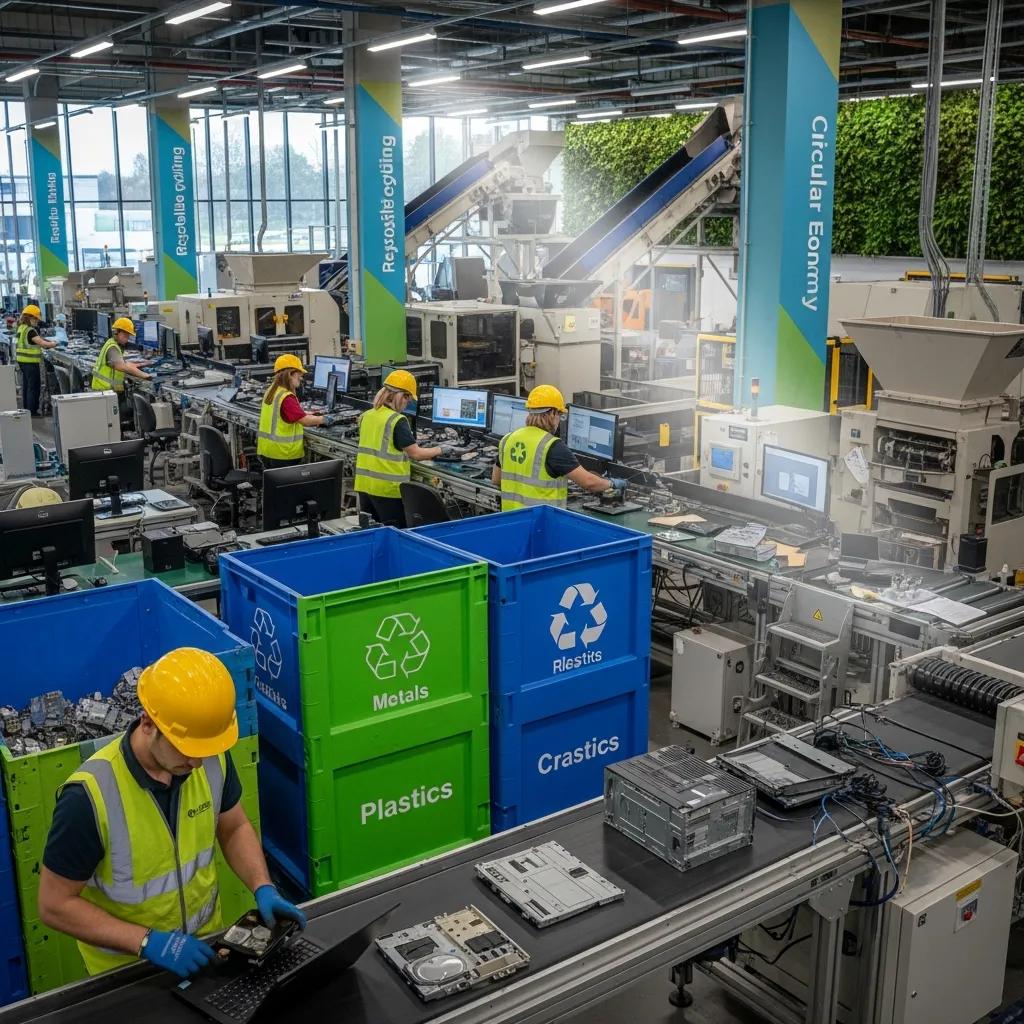
Compliant and sustainable asset disposal services are essential for organizations looking to responsibly manage their end-of-life IT assets. These services ensure that disposal processes adhere to relevant regulations while minimizing environmental impact.
Key aspects of compliant disposal services include:
- Regulatory Compliance: Adhering to laws such as the Data Protection Act and Waste Electrical and Electronic Equipment Regulations ensures that organizations meet legal obligations.
- Sustainability Practices: Implementing recycling programs and environmentally friendly disposal methods helps reduce waste and promote sustainability.
- Data Security: Secure data destruction methods protect sensitive information from unauthorized access during the disposal process.
By utilizing compliant disposal services, organizations can mitigate risks associated with data breaches and environmental harm.
Which UK regulations govern IT asset disposal?
In the UK, several regulations govern the disposal of IT assets to ensure environmental protection and data security. Key regulations include:
- Data Protection Act 2018: This act mandates that organizations protect personal data throughout its lifecycle, including during disposal.
- Waste Electrical and Electronic Equipment Regulations 2013: These regulations require proper disposal of electronic waste to minimize environmental impact.
- Environmental Protection Act 1990: This act sets out the framework for waste management and environmental protection, ensuring that disposal practices are sustainable.
Understanding these regulations is crucial for organizations to ensure compliance and avoid potential penalties.
How can businesses ensure secure and eco-friendly asset disposal?
To ensure secure and eco-friendly asset disposal, businesses should adopt the following best practices:
- Certified Disposal Services: Partnering with certified disposal providers guarantees that assets are handled according to legal and environmental standards.
- Recycling Programs: Implementing recycling initiatives helps divert electronic waste from landfills and promotes resource recovery.
- Data Destruction Methods: Utilizing secure data destruction techniques, such as shredding or degaussing, ensures that sensitive information is irretrievable.
By following these practices, businesses can achieve secure and sustainable asset disposal, protecting both their data and the environment.
How can SMEs manage IT assets for remote and multi-site workforces?
Managing IT assets for remote and multi-site workforces presents unique challenges. However, several strategies can help SMEs effectively oversee their assets in diverse environments:
- Centralized Management Tools: Utilizing centralized management platforms allows organizations to monitor and control assets across multiple locations from a single interface.
- Remote Monitoring: Implementing remote monitoring solutions enables real-time tracking of asset performance and usage, regardless of location.
- Collaboration Features: Tools that facilitate collaboration among team members can enhance communication and coordination in managing IT assets.
These strategies empower SMEs to maintain control over their IT assets, ensuring efficiency and accountability.
What strategies support remote workforce hardware tracking?
To effectively track hardware for remote workforces, organizations can implement the following strategies:
- Cloud-Based Solutions: Utilizing cloud-based asset management systems allows for real-time access to asset information from any location.
- Mobile Tracking Apps: Mobile applications enable employees to update asset statuses and locations on-the-go, enhancing tracking accuracy.
- Regular Audits: Conducting regular audits of hardware assets helps identify discrepancies and ensures that records are accurate.
By adopting these strategies, organizations can improve their hardware tracking capabilities, even in remote settings.
How does integrating cloud and cybersecurity services benefit asset management?
Integrating cloud and cybersecurity services into asset management processes offers several benefits, including enhanced security, improved data management, and cost efficiency.
Cloud services provide scalable storage solutions for asset data, allowing organizations to manage large volumes of information without the need for extensive on-premises infrastructure. Additionally, integrating cybersecurity measures protects sensitive asset information from potential threats, ensuring data integrity and confidentiality.
Furthermore, the cost efficiency of cloud solutions can lead to significant savings, as organizations can reduce their reliance on physical hardware and associated maintenance costs. This integration ultimately supports a more robust and secure asset management framework.