Business in Glossop - Managed IT Support

managed IT support

M

anaged IT Support Services for Businesses in Glossop: Comprehensive Solutions and Benefits

In today’s fast-paced digital landscape, businesses in Glossop are increasingly reliant on technology to drive their operations. Managed IT support services offer a strategic solution to ensure that these technological needs are met efficiently and effectively. This article delves into the various aspects of managed IT support, including its definition, core components, and the specific benefits it provides to small and medium enterprises (SMEs) in Glossop. As businesses face challenges such as cybersecurity threats and the need for “cloud solutions”, understanding managed IT support becomes crucial. We will explore how these services can enhance operational efficiency, improve security, and ultimately contribute to business growth. Key sections will cover network security solutions, cloud IT solutions, IT helpdesk services, and the costs associated with managed IT services.

What Are Managed IT Support Services and How Do They Benefit Glossop Businesses?

Managed IT support services encompass a range of IT solutions provided by third-party vendors to help businesses manage their technology needs. These services typically include network management, cybersecurity, data backup, and IT consultancy. By outsourcing these functions, businesses can focus on their core operations while ensuring that their IT infrastructure is robust and secure. The primary benefit of managed IT support is the ability to access expert knowledge and resources without the overhead costs of maintaining an in-house IT team.

Defining Managed IT Support and Its Core Components

Managed IT support involves several core components that work together to provide comprehensive IT solutions. These components include:

  1. Network Management: Ensuring that the network infrastructure is reliable and efficient.
  2. Cybersecurity: Implementing measures to protect against cyber threats and data breaches.
  3. Data Backup and Recovery: Regularly backing up data to prevent loss and ensuring quick recovery in case of incidents.
  4. IT Consultancy: Providing strategic advice on technology investments and improvements.

These components are essential for maintaining a secure and efficient IT environment, allowing businesses in Glossop to operate smoothly and effectively.

Key Advantages for Small and Medium Enterprises in Glossop

For small and medium enterprises in Glossop, the advantages of managed IT support are significant. These include:

  1. Cost Savings: By outsourcing IT support, businesses can reduce the costs associated with hiring and training in-house staff.
  2. Increased Efficiency: Managed IT services streamline operations, allowing businesses to focus on their core activities.
  3. Access to Expertise: SMEs gain access to a team of IT professionals with specialized knowledge and experience.

These benefits collectively enhance the operational capabilities of businesses, enabling them to compete more effectively in the market.

Which Network Security Solutions Protect Derbyshire Businesses Effectively?

Network security is a critical concern for businesses in Derbyshire, as cyber threats continue to evolve. Effective “network security” solutions are essential for safeguarding sensitive data and maintaining business continuity.

Essential Cybersecurity Measures for Local IT Support

To protect against cyber threats, businesses should implement several essential cybersecurity measures, including:

  • Firewalls: These act as barriers between trusted internal networks and untrusted external networks, preventing unauthorized access.
  • Antivirus Software: Regularly updated antivirus programs help detect and eliminate malware before it can cause damage.
  • Regular Updates: Keeping software and systems updated ensures that vulnerabilities are patched promptly.

Implementing these measures significantly reduces the risk of cyberattacks and enhances overall security.

The importance of robust cybersecurity measures is underscored by the significant financial and operational risks that cyberattacks pose to businesses, particularly SMEs.

Cyberattack Risks and Prevention for SMEs

AbstractOver the past decade, the number of cyberattacks affecting United States small- and medium-sized enterprises (SMEs) has increased substantially; with an average per-breach loss of $500,000 USD. Cyber-breaches most often result in business closure within 6 months of the breach. A modified Delphi technique used with a 20-member panel of cybersecurity experts was conducted to discover ways SMEs could prevent these breaches.

Strategic cybersecurity risk management practices for information in small and medium enterprises, M Preiksaitis, 2022

How Network Monitoring Enhances Business Security in Glossop

Network monitoring plays a vital role in enhancing business security by providing real-time insights into network activity. This proactive approach allows businesses to:

  • Detect Threats Early: Identifying unusual activity can help prevent potential breaches before they escalate.
  • Implement Proactive Response Strategies: Quick responses to detected threats can mitigate damage and protect sensitive information.

By investing in network monitoring, businesses in Glossop can strengthen their security posture and safeguard their operations.

How Do Cloud IT Solutions Improve Business Operations in Glossop?

Cloud IT solutions have revolutionized the way businesses operate, offering flexibility and scalability that traditional IT infrastructures cannot match. These solutions enable businesses to access resources and applications over the internet, facilitating remote work and collaboration.

Overview of Cloud Computing Services Tailored for Local Businesses

Local businesses can benefit from various cloud computing services, including:

  • Infrastructure as a Service (IaaS): Provides virtualized computing resources over the internet.
  • Software as a Service (SaaS): Delivers software applications via the cloud, eliminating the need for local installations.
  • Platform as a Service (PaaS): Offers a platform for developers to build, deploy, and manage applications without the complexity of infrastructure management.

These services are customizable to meet the specific needs of businesses in Glossop, enhancing operational efficiency.

Benefits of Cloud Migration and Remote Access Solutions

Migrating to cloud solutions offers several advantages, such as:

  • Cost Efficiency: Reduces the need for physical hardware and maintenance costs.
  • Flexibility and Scalability: Businesses can easily scale their IT resources up or down based on demand.
  • Improved Collaboration: Remote access solutions enable teams to collaborate seamlessly, regardless of location.

These benefits make cloud IT solutions an attractive option for businesses looking to enhance their operational capabilities.

Indeed, the adoption of cloud computing has become a transformative force for small businesses, offering a multitude of advantages that redefine operational paradigms.

Cloud Computing Benefits for Small Businesses

One of the popular technologies in the industry today is cloud computing and the use of cloud computing in small businesses is now fashionable, it has a remarkable impact on them by bringing a new way of working, accessing their data and storing it. The results of this study shows that there are several benefits that cloud computing has to offer small businesses if cloud computing is adopted and that includes flexibility, cost reduction and automatic software/hardware upgrades etc.

Adaptation and effects of cloud computing on small businesses, D Karagozlu, 2021

What IT Helpdesk Services Are Available for Glossop Businesses?

IT helpdesk services are crucial for providing technical support and resolving IT issues promptly. These services ensure that businesses can maintain productivity and minimize downtime.

24/7 Technical Support and Issue Resolution

Having access to 24/7 technical support is essential for businesses that rely on technology. This service allows for:

  • Immediate Assistance: Quick resolution of IT issues minimizes disruptions to business operations.
  • Expert Guidance: IT professionals can provide solutions based on their expertise, ensuring effective problem-solving.

This level of support is particularly beneficial for businesses that operate outside of traditional hours or have remote employees.

Customized IT Support Contracts for Local SMEs

Customized IT support contracts allow businesses to tailor their IT services to meet specific needs. Benefits include:

  • Flexibility in Contracts: Businesses can choose the level of support that aligns with their operational requirements.
  • Meeting Specific Business Needs: Tailored contracts ensure that businesses receive the services they need without paying for unnecessary extras.

This customization enhances the value of IT support services for SMEs in Glossop.

How Does IT Consultancy Support Business Growth in Derbyshire?

IT consultancy plays a vital role in helping businesses grow by providing strategic insights and recommendations on technology investments.

Strategic IT Planning and Infrastructure Management

Effective IT consultancy involves strategic planning and infrastructure management, which can lead to:

  • Optimized IT Investments: Businesses can make informed decisions about technology purchases and upgrades.
  • Improved Infrastructure: A well-managed IT infrastructure supports business operations and enhances performance.

These strategic insights are essential for businesses looking to leverage technology for growth.

Disaster Recovery and Remote IT Support Services

Disaster recovery planning is a critical component of IT consultancy. It ensures that businesses can recover quickly from unexpected events, such as data breaches or natural disasters. Key aspects include:

  • Importance of Disaster Recovery: Having a solid recovery plan minimizes downtime and data loss.
  • Remote Support Capabilities: Remote IT support allows for quick responses to issues, regardless of location.

This proactive approach to IT management is essential for maintaining business continuity.

What Are the Costs and Value of Managed IT Services in Glossop and Derbyshire?

Understanding the costs associated with managed IT services is crucial for businesses considering these solutions. Managed IT services can provide significant value through enhanced efficiency and security.

Pricing Models for Managed IT Support Services

Managed IT support services typically offer various pricing models, including:

  • Flat-rate Pricing: A fixed monthly fee covers all IT services, providing predictable budgeting.
  • Pay-as-you-go Pricing: Businesses pay only for the services they use, offering flexibility.

These models allow businesses to choose the option that best fits their financial situation and operational needs.

Return on Investment and Long-Term Benefits for Local Businesses

Investing in managed IT services can yield substantial long-term benefits, such as:

  • Long-term Cost Savings: Reduced downtime and improved efficiency lead to lower operational costs.
  • Increased Productivity: Access to expert support and resources enhances employee productivity.

These factors contribute to a strong return on investment, making managed IT services a valuable consideration for businesses in Glossop.

ServicePricing ModelValue
Network ManagementFlat-ratePredictable costs, comprehensive coverage
CybersecurityPay-as-you-goFlexibility, tailored to specific needs
IT ConsultancyFlat-rateStrategic insights, optimized investments

This table illustrates the various pricing models available for managed IT services and their associated values, helping businesses make informed decisions.


Business Continuity, Disaster Recovery and IT Resilience

Business professionals collaborating on continuity strategies in a modern office

Comprehensive Business Continuity, Disaster Recovery, and IT Resilience Strategies for SMEs and Hybrid Workforces

In an increasingly unpredictable business landscape, the importance of robust business continuity, disaster recovery, and IT resilience strategies cannot be overstated. These frameworks are essential for small and medium-sized enterprises (SMEs) and hybrid workforces, ensuring that operations can continue smoothly despite disruptions. This article will delve into the critical components of these strategies, exploring their mechanisms and benefits. Readers will learn how effective planning can safeguard their businesses against unforeseen events, enhancing operational resilience and overall stability. We will cover key topics, including the definition of business continuity, the role of disaster recovery plans, and best practices for developing IT resilience strategies.

What is Business Continuity and Why is it Essential for Growing SMEs?

Business continuity refers to the processes and procedures that organizations put in place to ensure that essential functions can continue during and after a disaster. For growing SMEs, having a solid business continuity plan is crucial as it minimizes downtime and financial losses during unexpected events. This proactive approach not only protects the organization’s assets but also builds trust with clients and stakeholders.

Academics further explore the intricate relationship between business continuity and broader organizational resilience, highlighting their commonalities and distinctions.

Understanding Business Continuity & Organizational Resilience

The concepts of business continuity management, operational resilience, and organizational resilience each refer to actions that businesses and organizations can take in anticipating and responding to disruptions. However, the existing definitions and usages are difficult to differentiate due to overlapping objectives, implementation processes, and outcomes. This article examines definitions and approaches for these three concepts and suggest a framework to operationalize methods and tools relevant to each.

Business continuity management, operational resilience, and organizational resilience: Commonalities, distinctions, and synthesis, SE Galaitsi, 2023

GetUK Support, a UK-based IT service provider, specializes in comprehensive IT resilience, business continuity, and disaster recovery solutions tailored for SMEs. Their expertise ensures that businesses can maintain operations even in challenging circumstances.

How Does Business Continuity Planning Support Operational Resilience?

Business continuity planning is integral to operational resilience, which is the ability of an organization to adapt to disruptions while maintaining essential functions. Effective planning involves identifying critical business functions, assessing risks, and developing strategies to mitigate those risks.

Key elements of business continuity planning include:

  1. Risk Assessment: Identifying potential threats and vulnerabilities.
  2. Business Impact Analysis: Evaluating the effects of disruptions on operations.
  3. Strategy Development: Creating actionable plans to ensure continuity.

By implementing these strategies, organizations can enhance their operational resilience, ensuring they are prepared for any eventuality. GetUK Support offers tailored solutions that help businesses develop and implement effective continuity plans.

What Are the Key Components of Effective Business Continuity Plans?

Effective business continuity plans consist of several essential components that work together to ensure organizational resilience. These components include:

ComponentDescriptionImportance
Risk AssessmentIdentifying potential threats to business operationsHelps prioritize resources and planning efforts
Business Impact AnalysisEvaluating the potential impact of disruptionsInforms decision-making and resource allocation
Recovery StrategiesDeveloping plans for restoring operationsEnsures quick recovery and minimizes downtime

These components are vital for creating a comprehensive business continuity plan that can withstand various disruptions, from natural disasters to cyber-attacks.

How Do Disaster Recovery Plans Protect Your Business from IT Disruptions?

Technician monitoring disaster recovery systems in a secure server room

Disaster recovery plans are a subset of business continuity planning focused specifically on restoring IT systems and data after a disruption. These plans are crucial for protecting businesses from the adverse effects of IT failures, such as data loss or system outages.

A well-structured disaster recovery plan includes:

  1. Data Backup Solutions: Regularly backing up data to prevent loss.
  2. System Redundancy: Implementing failover systems to maintain operations.
  3. Testing and Updates: Regularly testing the plan to ensure effectiveness.

By having a robust disaster recovery plan in place, businesses can quickly recover from IT disruptions, minimizing downtime and financial losses.

What Are Best Practices for Developing IT Disaster Recovery Services?

Developing effective IT disaster recovery services involves adhering to best practices that ensure comprehensive protection against potential disruptions. Key best practices include:

  1. Regular Testing: Conducting drills to test the effectiveness of the disaster recovery plan.
  2. Documentation: Keeping detailed records of recovery procedures and contacts.
  3. Continuous Improvement: Regularly updating the plan based on new threats and changes in the business environment.

These practices help organizations stay prepared for unexpected events, ensuring that they can respond swiftly and effectively.

How Does Disaster Recovery Integrate with Business Continuity?

Disaster recovery and business continuity are closely linked, with each supporting the other. While business continuity focuses on maintaining essential functions during a disruption, disaster recovery specifically addresses the restoration of IT systems and data.

The integration of these two strategies provides several benefits:

  • Holistic Approach: Ensures that all aspects of the organization are prepared for disruptions.
  • Streamlined Processes: Facilitates quicker recovery through coordinated efforts.
  • Enhanced Communication: Improves communication between teams during a crisis.

By understanding how disaster recovery integrates with business continuity, organizations can create a more resilient operational framework.

Which Cyber Resilience Strategies Strengthen Your IT Infrastructure?

Cyber resilience strategies are essential for protecting IT infrastructure from cyber threats. These strategies focus on not only preventing attacks but also ensuring that organizations can recover quickly if an attack occurs.

Key cyber resilience strategies include:

  1. Regular Security Audits: Assessing vulnerabilities in the IT infrastructure.
  2. Employee Training: Educating staff on cybersecurity best practices.
  3. Incident Response Plans: Developing procedures for responding to cyber incidents.

Implementing these strategies helps organizations strengthen their IT infrastructure, making them more resilient against cyber threats.

How Can Cyber Security Services Mitigate Emerging Threats?

Cyber security services play a critical role in mitigating emerging threats by providing organizations with the tools and expertise needed to protect their digital assets. These services include:

  1. Threat Monitoring: Continuously monitoring for potential threats and vulnerabilities.
  2. Incident Response: Rapidly responding to security incidents to minimize damage.
  3. Compliance Support: Ensuring adherence to relevant regulations and standards.

By leveraging cyber security services, organizations can enhance their overall security posture and reduce the risk of cyber incidents.

What Role Does Zero Trust Security Play in IT Resilience?

Zero Trust Security is a security model that assumes that threats could be both external and internal. This approach requires strict verification for every user and device attempting to access resources, regardless of their location.

Research specifically underscores the effectiveness of Zero Trust Security in enhancing cybersecurity for Micro, Small, and Medium Enterprises (MSMEs) against evolving threats.

Zero Trust Security for MSME Cybersecurity

This research examines the implementation of Zero Trust Security in Enterprise Architecture in Micro, Small, and Medium Enterprises to improve cybersecurity. The background of this research focuses on the increasing cyber threats faced by MSMEs and their limitations in adopting advanced security systems. The purpose of this study is to evaluate the effectiveness of Zero Trust Security in protecting MSME data and information systems from internal and external threats, as well as identifying challenges and solutions in its implementation.

Implementation of zero trust security in MSME enterprise architecture: challenges and solutions, A Rahman, 2024

The benefits of implementing Zero Trust Security include:

  • Enhanced Security: Reduces the risk of unauthorized access.
  • Improved Visibility: Provides better insights into user activity and potential threats.
  • Adaptability: Allows organizations to respond quickly to emerging threats.

By adopting a Zero Trust Security model, organizations can significantly enhance their IT resilience.

Why Are Cloud Backup Solutions Critical for Remote and Hybrid Workforces?

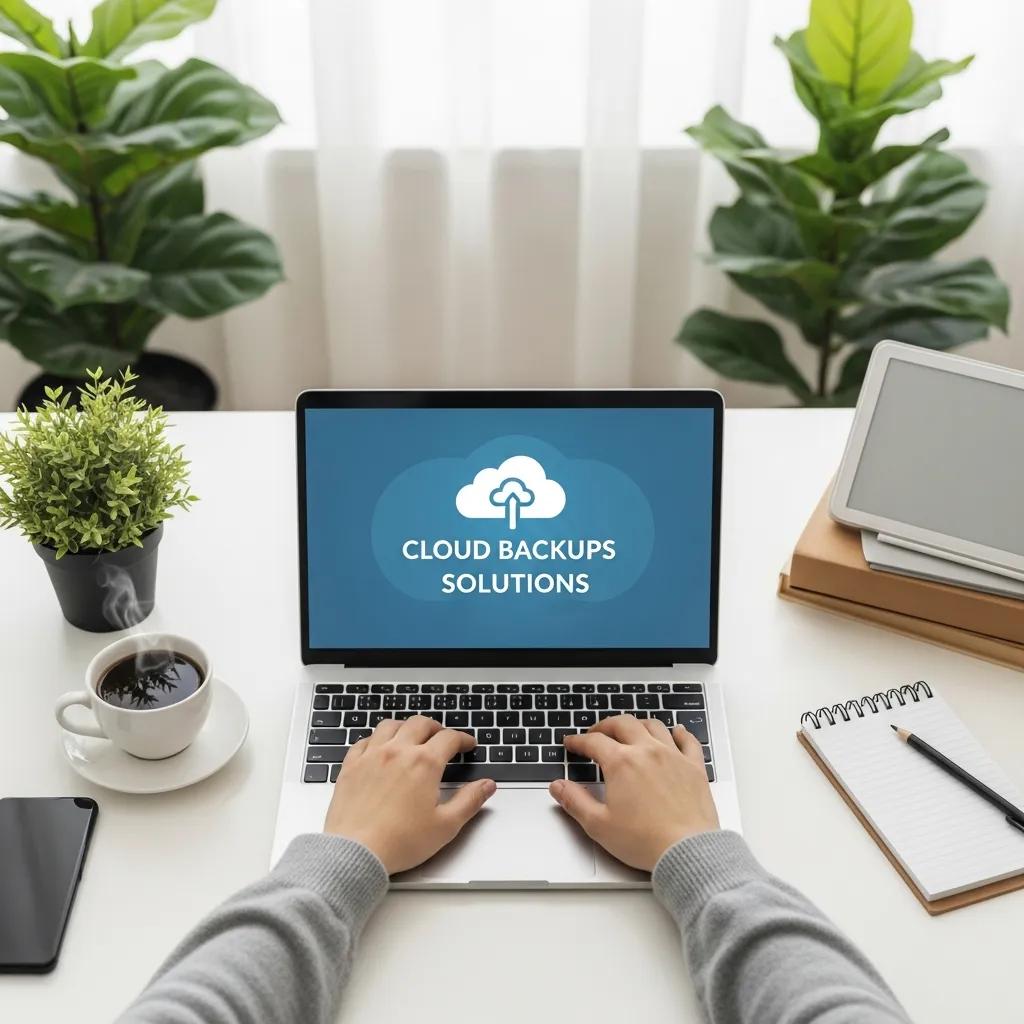
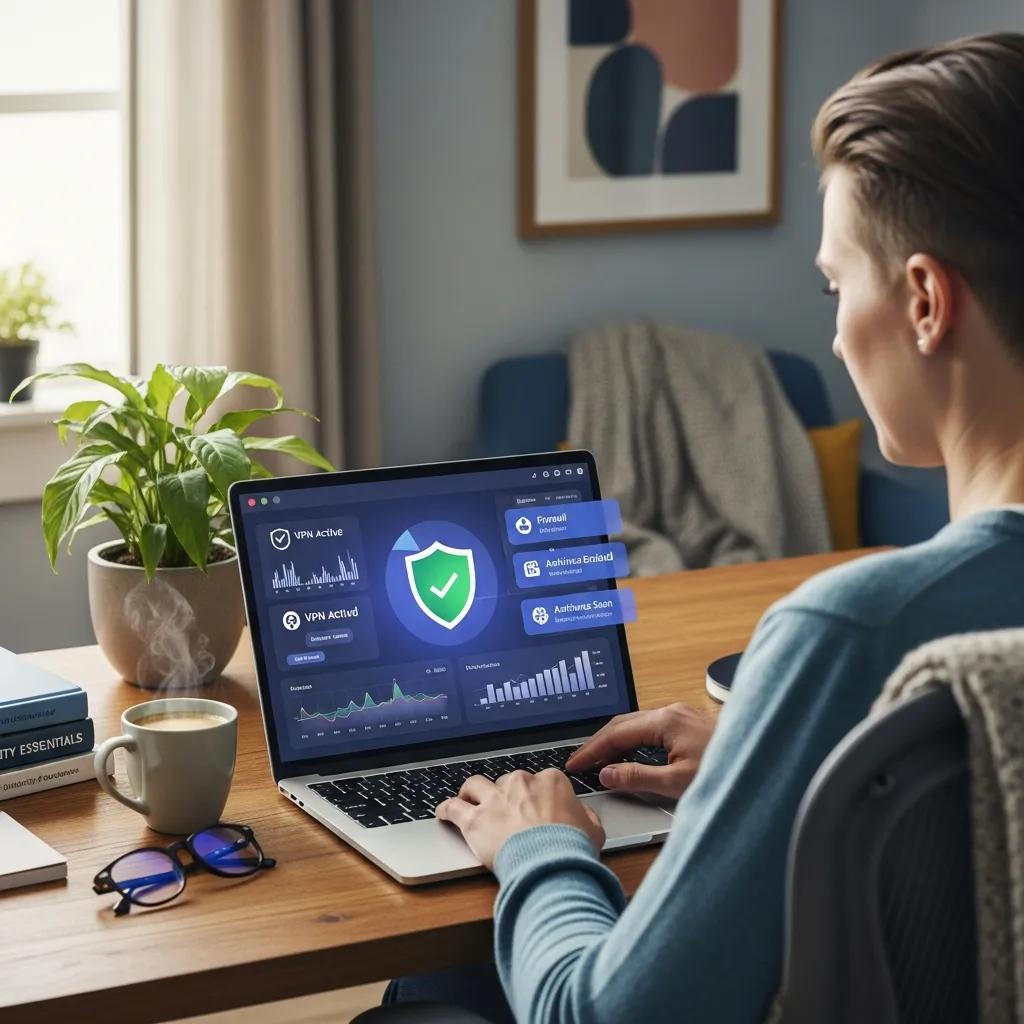
Remote worker accessing cloud backup solutions in a cozy home office

Cloud backup solutions are essential for remote and hybrid workforces, providing a secure and reliable way to store and access data from anywhere. These solutions offer several advantages:

Further emphasizing the benefits, research highlights how cloud-based disaster recovery offers a cost-effective and appealing option for SMEs.

Cloud Disaster Recovery Solutions for SMEs

Cloud based disaster recovery is very cost efficient and doesn’t need much it infrastructure to be setup at the client side. This makes it a very appealing option for SME’s looking forward to setup disaster recovery. The cloud is an appealing option for disaster recovery because it provides a cost effective solution for data backup and recovery.

Disaster recovery services in the cloud for SMEs, 2012
  1. Accessibility: Enables employees to access data from any location.
  2. Scalability: Allows organizations to easily scale their storage needs.
  3. Cost-Effectiveness: Reduces the need for on-premises infrastructure.

By utilizing cloud backup solutions, organizations can ensure that their data is protected and accessible, regardless of where their employees are working.

How Do Cloud Backup Services Ensure Data Protection and Recovery?

Cloud backup services ensure data protection and recovery through a combination of advanced technologies and best practices. Key features of these services include:

  1. Automated Backups: Regularly scheduled backups to prevent data loss.
  2. Encryption: Protecting data both in transit and at rest.
  3. Disaster Recovery Options: Providing options for quick data recovery in case of a disaster.

These features help organizations maintain data integrity and ensure that they can recover quickly from any disruptions.

What Compliance Standards Should Cloud Backup Solutions Meet in the UK?

In the UK, cloud backup solutions must adhere to various compliance standards to ensure data protection and privacy. Key compliance standards include:

  1. GDPR: Ensuring that personal data is processed lawfully and transparently.
  2. ISO 27001: Establishing an information security management system.
  3. Data Protection Act 2018: Complying with national data protection regulations.

By ensuring that cloud backup solutions meet these compliance standards, organizations can protect their data and maintain trust with their customers.

Proactive Monitoring, Patch Management and Endpoint Care

Proactive IT monitoring in a modern SME office environment

Proactive Monitoring, Patch Management and Endpoint Security Solutions for SMEs

In an increasingly digital landscape, small and medium-sized enterprises (SMEs) face significant challenges in maintaining robust cybersecurity. Proactive monitoring, patch management, and endpoint care are essential strategies that can help SMEs safeguard their IT infrastructure. This article will explore the benefits of these practices, how they mitigate security risks, and the best practices for effective implementation. Readers will gain insights into how proactive IT management can enhance security posture, reduce downtime, and ensure compliance with industry standards. We will also discuss how GetUK Support, a UK-based IT service provider, tailors its services to meet the unique needs of SMEs.

What Are the Benefits of Proactive IT Monitoring and Patch Management?

Proactive IT monitoring and patch management are critical components of a comprehensive cybersecurity strategy. These practices involve continuously overseeing IT systems and applying necessary updates to software and hardware. The primary benefits include:

  1. Reduced Downtime: By identifying and addressing potential issues before they escalate, businesses can minimize disruptions to operations.
  2. Enhanced Security Posture: Regular updates and monitoring help protect against vulnerabilities that could be exploited by cybercriminals.
  3. Improved Compliance: Many industries have specific regulations regarding data protection. Proactive measures ensure that businesses remain compliant with these standards.

GetUK Support specializes in providing tailored IT management solutions that include proactive monitoring and patch management, ensuring that SMEs can focus on their core business activities while maintaining a secure IT environment.

How Does Proactive Monitoring Reduce Security Risks?

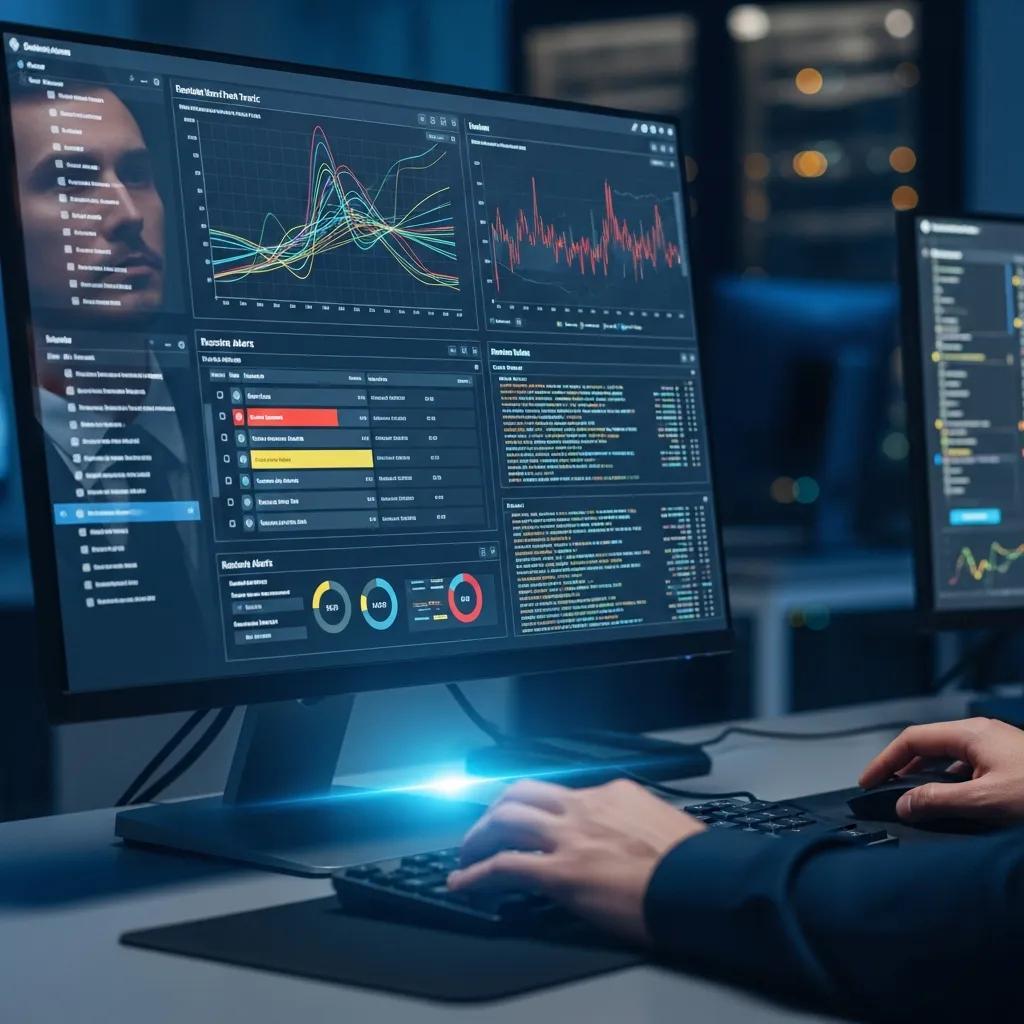
Proactive monitoring in cybersecurity with security alerts on a computer screen

Proactive monitoring plays a vital role in minimizing security threats by providing continuous oversight of IT systems. This approach allows for:

  • Timely Updates: Regularly applying security patches helps close vulnerabilities that could be exploited by attackers.
  • Threat Detection: Continuous monitoring enables the early identification of suspicious activities, allowing for swift responses to potential breaches.

By implementing proactive monitoring, SMEs can significantly reduce their risk of falling victim to cyberattacks, thereby protecting sensitive data and maintaining customer trust.

Why Is Automated Patch Deployment Essential for Endpoint Care?

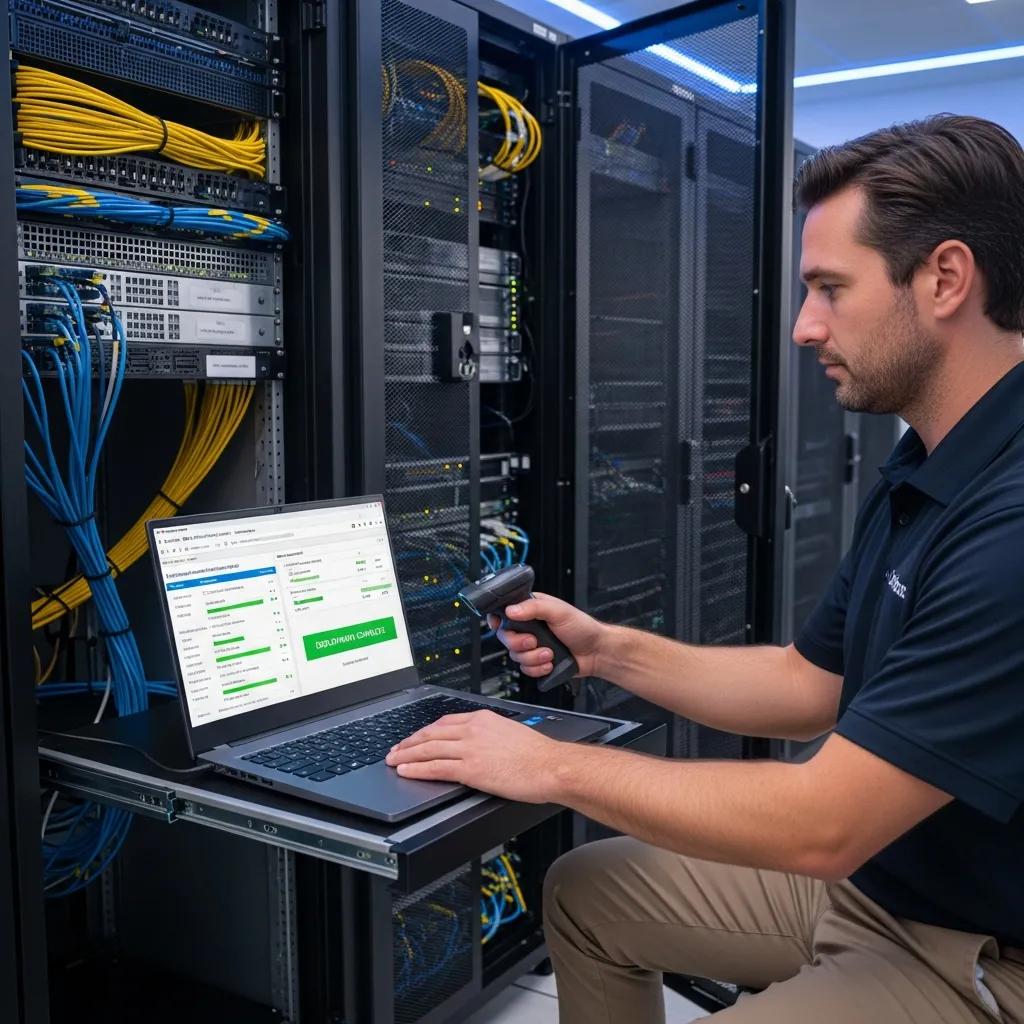
Technician performing automated patch deployment in a server room

Automated patch deployment is crucial for effective endpoint care, as it streamlines the process of applying updates across multiple devices. The key advantages include:

  • Efficiency in Updates: Automation reduces the time and effort required to manage patches manually, allowing IT teams to focus on more strategic tasks.
  • Reduction of Vulnerabilities: Regularly updated systems are less likely to be compromised, as they are equipped with the latest security features.
  • Compliance Adherence: Automated systems ensure that all endpoints are consistently updated, helping organizations meet regulatory requirements.

By leveraging automated patch deployment, SMEs can enhance their endpoint security and reduce the likelihood of security incidents.

How Do Endpoint Security Solutions Protect Remote and Hybrid Workforces?

Endpoint security solutions are designed to safeguard devices that connect to a corporate network, particularly in remote and hybrid work environments. These solutions provide:

  • Secure Access: Ensuring that only authorized users can access sensitive information, thereby reducing the risk of data breaches.
  • Data Protection: Implementing encryption and other security measures to protect data in transit and at rest.
  • User Authentication: Utilizing multi-factor authentication to verify user identities before granting access to critical systems.

As remote work becomes more prevalent, effective endpoint security solutions are essential for protecting organizational assets and maintaining operational integrity.

Further research emphasizes the critical need for robust frameworks to secure mobile devices and endpoints, especially given the diverse threats they face in modern business environments.

Mobile Device & Endpoint Security Framework for SMEs

Mobile devices offer great flexibility and improved productivity for all employees; however, they can also introduce additional security risks. These risks encompass malware infections, phishing attempts, data leakage, network-based attacks, app-based threats, insider threats, device theft or loss, and vulnerabilities associated with jailbreaking or rooting devices. Effectively managing and mitigating these risks has become imperative for enterprises aiming to protect their sensitive information and maintain a secure environment. This research proposes a framework to enhance the mobile device security posture in Small and Medium Enterprises (SMEs) and demonstrates a practical implementation of the framework by incorporating Mobile Application Management (MAM), Endpoint Security, and System Information and Event Management (SIEM) solutions.

A Novel Mobile Device Security Framework for SMEs, 2025

What Are Best Practices for Endpoint Protection in SMEs?

To ensure robust endpoint protection, SMEs should adopt several best practices:

  1. Regular Updates: Consistently apply software and security updates to all devices to mitigate vulnerabilities.
  2. User Training: Educate employees about cybersecurity risks and safe practices to reduce the likelihood of human error.
  3. Incident Response Plans: Develop and maintain a clear plan for responding to security incidents to minimize damage and recovery time.

By following these best practices, SMEs can create a resilient security framework that protects their endpoints from emerging threats.

How Does IT Infrastructure Monitoring Support Cybersecurity?

IT infrastructure monitoring is integral to a comprehensive cybersecurity strategy. It provides:

  • Visibility into Systems: Continuous monitoring offers insights into system performance and security status, enabling proactive management.
  • Proactive Threat Management: Identifying potential threats before they materialize allows organizations to take preventive measures.
  • Resource Optimization: Monitoring helps ensure that IT resources are used efficiently, reducing costs and improving overall performance.

Effective IT infrastructure monitoring supports a proactive approach to cybersecurity, helping SMEs stay ahead of potential threats.

Which Remote IT Monitoring Services Enhance Patch Management Efficiency?

Several remote IT monitoring services can significantly enhance patch management efficiency for SMEs. These services typically offer:

  1. Automated Patch Management: Streamlining the process of applying updates across all devices.
  2. Real-Time Monitoring: Providing immediate alerts for any issues that arise, allowing for quick remediation.
  3. Comprehensive Reporting: Offering insights into patch status and compliance levels, helping organizations maintain regulatory adherence.

By utilizing these services, SMEs can improve their patch management processes and enhance their overall security posture.

What Tools Are Used for Automated Patch Deployment?

Automated patch deployment tools are essential for maintaining up-to-date systems. Common tools include:

  1. Microsoft WSUS: A built-in tool for managing updates in Windows environments.
  2. ManageEngine Patch Manager Plus: A comprehensive solution for automating patch management across various platforms.
  3. Ivanti Patch Management: A tool that provides automated patching for both on-premises and cloud environments.

These tools help organizations streamline their patch management processes, ensuring that all systems are secure and compliant.

How Can SMEs Implement Effective Endpoint Care and Cybersecurity Measures?

To implement effective endpoint care and cybersecurity measures, SMEs should consider the following steps:

  • Assessment of Needs: Evaluate the specific security requirements of the organization to tailor solutions accordingly.
  • Tailored Solutions: Work with IT service providers like GetUK Support to develop customized strategies that address unique challenges.
  • Ongoing Support: Ensure that there is a plan for continuous monitoring and support to adapt to evolving threats.

By taking these steps, SMEs can establish a robust cybersecurity framework that protects their assets and supports business continuity.

What Are Compliance Standards Relevant to Patch Management?

Compliance standards play a crucial role in guiding organizations on how to manage their IT systems securely. Relevant standards include:

  • GDPR: Regulations that require organizations to protect personal data and privacy.
  • ISO Standards: International standards that provide guidelines for information security management.
  • Industry-Specific Regulations: Various sectors have specific compliance requirements that organizations must adhere to.

Understanding and implementing these compliance standards is essential for SMEs to avoid legal penalties and maintain customer trust.

How Does GetUK Support Tailor IT Services for SMEs?

GetUK Support specializes in providing tailored IT services for SMEs, focusing on:

  • Customized Solutions: Developing IT management strategies that align with the specific needs of each business.
  • Client Engagement: Actively involving clients in the planning and implementation process to ensure their requirements are met.
  • Ongoing Assessment: Regularly reviewing and updating IT strategies to adapt to changing business environments and emerging threats.

By offering these tailored services, GetUK Support helps SMEs enhance their cybersecurity posture and achieve their business objectives.

IT Support SLAs, Pricing Models and Contract Guide

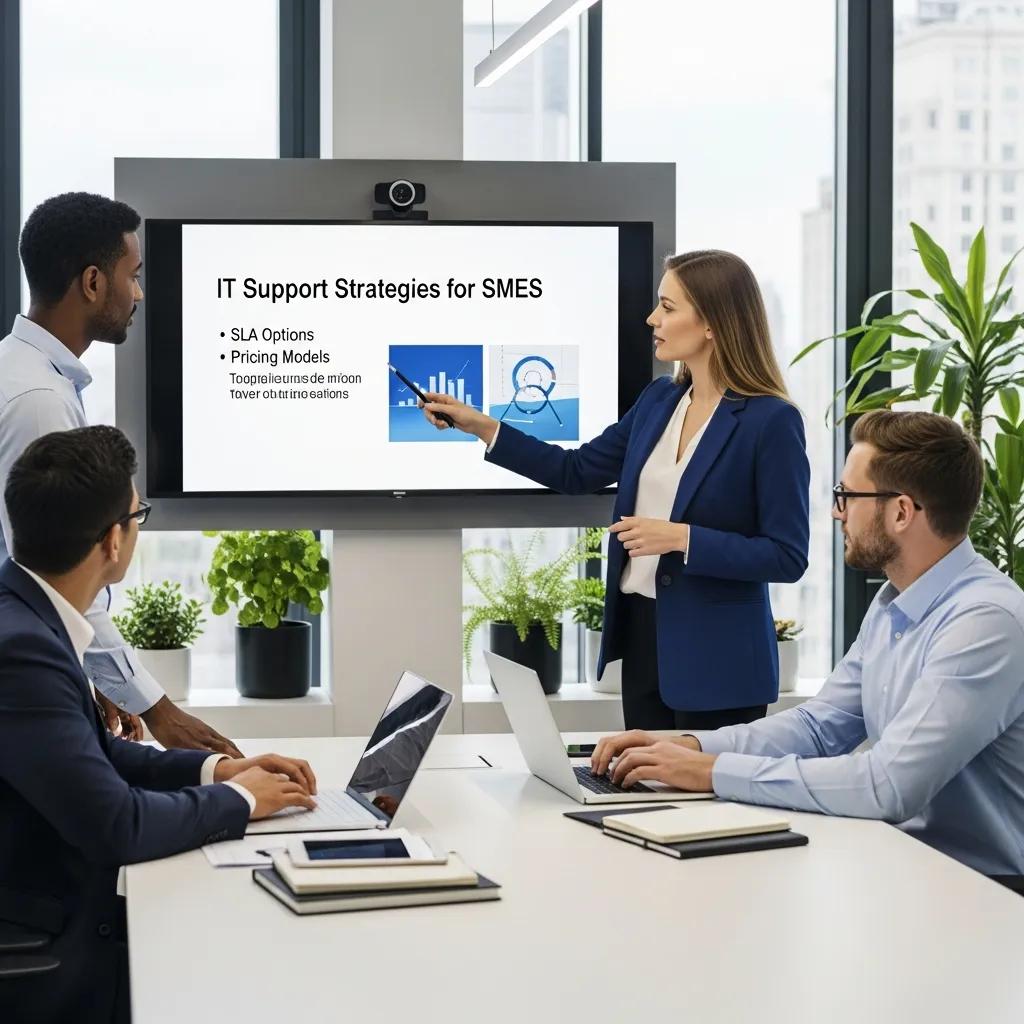
Business professionals collaborating on IT support strategies in a modern office

Comprehensive IT Support SLAs, Pricing Models, and Contract Guide for SMEs and Multi-site Organisations

In the rapidly evolving landscape of IT services, understanding Service Level Agreements (SLAs) and pricing models is crucial for small to medium enterprises (SMEs) and multi-site organizations. This guide delves into the essential components of IT support SLAs, the various pricing models available, and how these elements can be tailored to meet the unique needs of businesses without in-house IT teams. Readers will learn about the significance of SLAs in ensuring service quality, the intricacies of different pricing structures, and best practices for negotiating contracts. By addressing common pain points, this article aims to empower organizations to make informed decisions regarding their IT support needs.

The following sections will cover the importance of SLAs, key components of an SLA template, the impact of SLAs on service quality, various pricing models, and best practices for IT support contracts. Additionally, we will explore how to customize contracts for remote and hybrid workforces, integrating cybersecurity and cloud services, and provide case studies demonstrating effective SLA and pricing strategies.

What Are IT Support SLAs and Why Are They Essential?

IT Support Service Level Agreements (SLAs) are formal contracts that define the expected level of service between a service provider and a client. They outline specific metrics for service delivery, including response times, resolution times, and performance standards. SLAs are essential because they establish clear expectations, ensuring that both parties understand their responsibilities and the consequences of failing to meet agreed-upon standards. This clarity fosters trust and accountability, which are vital for maintaining a productive working relationship.

Moreover, SLAs serve as a benchmark for measuring service quality, allowing clients to hold providers accountable for their performance. By setting these standards, organizations can ensure that they receive the level of support necessary to maintain their operations effectively.

Key Components of an IT Service Level Agreement Template

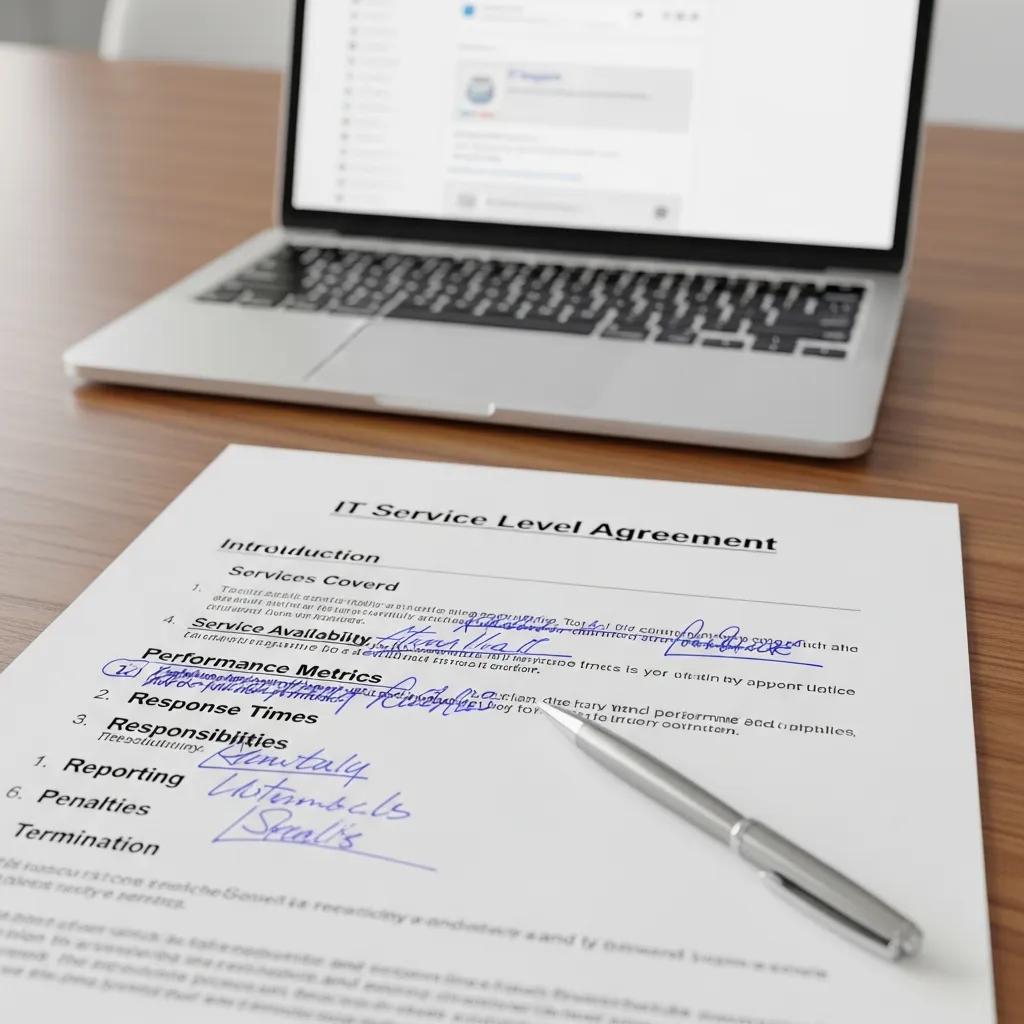
Close-up of an IT Service Level Agreement template emphasizing clarity and structure

An effective IT Service Level Agreement template should include several key components to ensure clarity and comprehensiveness. These components typically encompass:

  1. Service Description: A detailed outline of the services provided, including support hours and channels.
  2. Performance Metrics: Specific metrics that define acceptable performance levels, such as uptime guarantees and response times.
  3. Responsibilities of Both Parties: Clear delineation of the responsibilities of the service provider and the client, including escalation procedures and communication protocols.

By incorporating these elements, organizations can create SLAs that effectively manage expectations and enhance service delivery.

How SLAs Impact Service Quality and Client Expectations

SLAs significantly impact service quality by establishing measurable standards that service providers must meet. These agreements help ensure that clients receive timely and effective support, which is crucial for maintaining operational efficiency. When clients have clear expectations regarding service delivery, they are more likely to be satisfied with the support they receive.

Furthermore, SLAs contribute to building trust between clients and service providers. When service providers consistently meet or exceed SLA standards, it reinforces their reliability and commitment to quality service. This trust is essential for fostering long-term partnerships and can lead to increased client retention and satisfaction.

How Do Managed IT Services Pricing Models Work?

Managed IT services pricing models are structured to provide flexibility and scalability for businesses. These models typically fall into three main categories: fixed pricing, tiered pricing, and pay-as-you-go pricing. Each model offers distinct advantages and is suited to different business needs.

  • Fixed Pricing Model: This model involves a set fee for a defined set of services, providing predictability in budgeting.
  • Tiered Pricing Model: Clients can choose from different service levels, allowing them to select a package that best fits their needs and budget.
  • Pay-As-You-Go Pricing Model: This model charges clients based on actual usage, making it ideal for businesses with fluctuating IT needs.

Understanding these pricing structures enables organizations to select the model that aligns best with their operational requirements and financial constraints.

The complexity of these models, particularly in the context of cloud services, highlights the need for clear and transparent pricing strategies.

Cloud Service Pricing Models & Frameworks

A major condition for commercial success is a well-defined pricing strategy, however, cloud service providers face many challenges around pricing. Clearness and transparency in pricing is beneficial for all the actors in the ecosystem, where the currently existing abundance of different pricing models makes decision making difficult for service providers, partners, customers and competitors. In this paper, the SBIFT pricing model is evaluated and updated to cloud context. As a result, a 7-dimensional cloud pricing framework is proposed that helps clarifying the possible pricing models in order to let companies differentiate themselves from competitors by price.

Cloud services pricing models, G Laatikainen, 2013

GetUK Support offers tailored IT support solutions that can be customized to fit various pricing models, ensuring that businesses receive the support they need without overspending.

Explaining Fixed, Tiered, and Pay-As-You-Go Pricing Models

Each pricing model has its unique characteristics and benefits, making them suitable for different types of organizations.

  1. Fixed Pricing Model: Definition: A predetermined fee for a specific set of services.Pros: Predictable costs and simplified budgeting.Cons: May not accommodate fluctuating service needs.
  2. Tiered Pricing Model: Definition: Multiple service levels with varying features and costs.Pros: Flexibility to choose a package that fits specific needs.Cons: Complexity in understanding the differences between tiers.
  3. Pay-As-You-Go Pricing Model: Definition: Charges based on actual service usage.Pros: Cost-effective for businesses with variable IT needs.Cons: Unpredictable costs can arise if usage spikes unexpectedly.

By evaluating these models, organizations can make informed decisions that align with their operational and financial goals.

What Does an IT Support Cost Breakdown Look Like?

Understanding the cost breakdown of IT support services is essential for effective budgeting and financial planning. The following table outlines common cost components associated with different pricing models:

ServicePricing ModelCost
Basic IT SupportFixed Pricing£500/month
Advanced IT SupportTiered Pricing£1,000/month
On-Demand SupportPay-As-You-Go£100/hour

This breakdown illustrates how different services and pricing models can impact overall IT support costs, helping organizations to choose the most suitable option for their needs.

How Can IT Support Contracts Be Customized for Remote and Hybrid Workforces?

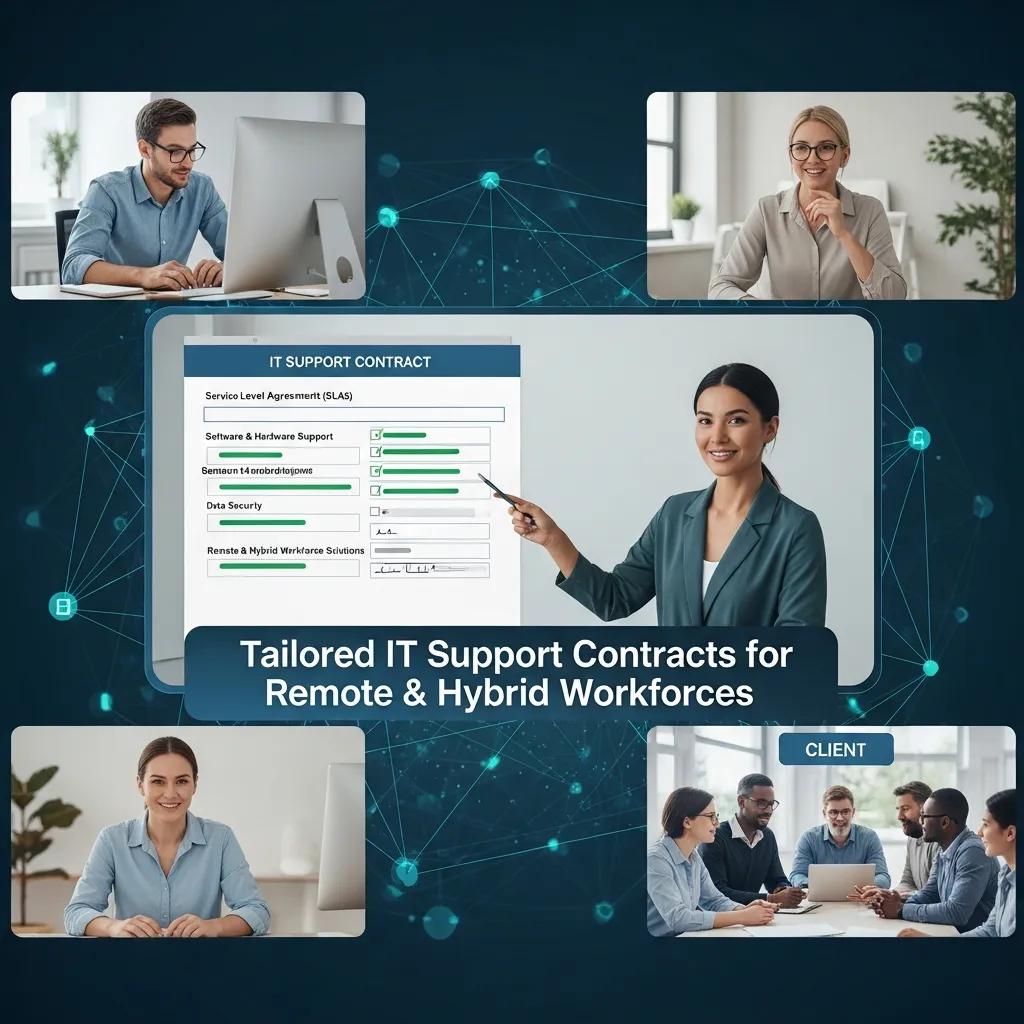
Remote IT support team collaborating through video conferencing for customized contracts

As remote and hybrid workforces become increasingly common, IT support contracts must be tailored to address the unique challenges these setups present. Customization options may include:

  • Flexible Support Hours: Offering support outside traditional business hours to accommodate remote workers in different time zones.
  • Remote Access Solutions: Ensuring that support teams can access systems remotely to troubleshoot issues efficiently.
  • Enhanced Security Measures: Implementing robust security protocols to protect sensitive data accessed by remote employees.

By customizing contracts to meet the needs of remote and hybrid teams, organizations can ensure that their IT support remains effective and responsive.

Examples of SLA Agreement Customizations for Hybrid Teams

Customizing SLAs for hybrid teams can enhance service delivery and client satisfaction. Some examples of effective customizations include:

  1. Dedicated Support Channels: Establishing specific communication channels for remote employees to ensure quick access to support.
  2. Regular Performance Reviews: Scheduling periodic reviews to assess SLA performance and make necessary adjustments.
  3. Tailored Training Programs: Providing training for remote employees on using IT systems effectively, which can reduce support requests.

These customizations can significantly improve the efficiency of IT support for hybrid teams, ensuring that all employees receive the assistance they need.

Integrating Cyber Security and Cloud Services into IT Support Contracts

As cyber threats continue to evolve, integrating cyber security measures into IT support contracts is essential. This integration can include:

  • Regular Security Audits: Conducting audits to identify vulnerabilities and ensure compliance with security standards.
  • Incident Response Plans: Developing plans to address potential security breaches swiftly and effectively.
  • Cloud Service Management: Offering support for cloud-based services, ensuring that data is secure and accessible.

By incorporating these elements, organizations can enhance their IT support contracts to better protect their assets and data.

However, it’s crucial to acknowledge that outsourcing IT, especially cybersecurity functions, introduces its own set of risks that need careful management.

Managing Cybersecurity Risk in IT Outsourcing

IT outsourcing (ITO) is a major contributor to cybersecurity risk exposure. When organizations outsource IT needs and/or cybersecurity functions, they explicitly or implicitly assume that ITO providers bear the responsibility for cybersecurity risk. In reality, ITO clients’ risk profile changes and becomes a combination of their risks and a subset of their ITO provider risks. This paper discusses cybersecurity risk challenges that are exacerbated in the ITO context and a commonly made argument that ITO client-providertrustcan improve the management of cybersecurity risk.

Cybersecurity risk in IT outsourcing—Challenges and emerging realities, M Benaroch, 2020

What Are Best Practices for IT Support Contracts and Pricing for SMEs and Multi-site Organisations?

To maximize the effectiveness of IT support contracts, SMEs and multi-site organizations should consider the following best practices:

  1. Clearly Define Expectations: Ensure that SLAs outline specific performance metrics and responsibilities.
  2. Regularly Review Contracts: Periodically assess contracts to ensure they remain relevant and effective.
  3. Engage in Open Communication: Foster a collaborative relationship with service providers to address issues proactively.

By adhering to these best practices, organizations can enhance their IT support experience and ensure that their needs are met effectively.

GetUK Support specializes in providing tailored IT support solutions that align with the unique needs of SMEs and multi-site organizations, ensuring that they receive the best possible service.

Case Studies Demonstrating Effective SLA and Pricing Strategies

Examining real-world examples can provide valuable insights into effective SLA and pricing strategies. For instance, a multi-site organization implemented a tiered pricing model that allowed them to scale their IT support as their needs grew. This flexibility enabled them to manage costs effectively while ensuring that all locations received the necessary support.

Another case involved a company that customized its SLA to include enhanced security measures for remote workers. This proactive approach not only improved service delivery but also significantly reduced security incidents.

These case studies highlight the importance of adapting SLAs and pricing models to meet the evolving needs of organizations.

Common IT Support Contract Terms and How to Negotiate Them

Understanding common IT support contract terms is crucial for effective negotiation. Key terms to be aware of include:

  • Service Level Objectives (SLOs): Specific performance targets that the service provider commits to achieving.
  • Termination Clauses: Conditions under which either party can terminate the contract.
  • Liability Limitations: Provisions that limit the service provider’s liability in case of service failures.

By familiarizing themselves with these terms, organizations can negotiate contracts that better protect their interests and ensure satisfactory service delivery.

In conclusion, navigating the complexities of IT support SLAs and pricing models is essential for SMEs and multi-site organizations. By understanding the key components of SLAs, the various pricing structures available, and best practices for contract negotiation, businesses can make informed decisions that enhance their IT support experience.

IT Strategy, Roadmaps and Technology Planning Guide

Business professionals collaborating on IT strategy in a modern office setting

IT Strategy, Roadmaps and Technology Planning Guide: Essential Frameworks and Processes for SMEs

In the rapidly evolving landscape of technology, having a robust IT strategy is essential for businesses aiming to thrive. This guide delves into the frameworks and processes that underpin effective IT strategy, roadmaps, and technology planning, specifically tailored for small and medium enterprises (SMEs). Readers will learn about the critical components of IT strategy, how these strategies align with business objectives, and the steps necessary to develop a comprehensive technology planning process. Many organizations struggle with aligning their IT capabilities with their business goals, leading to inefficiencies and missed opportunities. This article provides actionable insights and frameworks to bridge that gap, ensuring that technology serves as a catalyst for growth. Key sections include defining IT strategy, developing technology roadmaps, and integrating cybersecurity measures.

What is an IT Strategy Framework and Why is it Crucial for Business Growth?

An IT strategy framework is a structured approach that outlines how technology can support and drive business objectives. It serves as a blueprint for aligning IT initiatives with organizational goals, ensuring that technology investments yield maximum value. The importance of such frameworks lies in their ability to provide clarity and direction, enabling businesses to navigate the complexities of technology adoption and integration. By establishing a clear IT strategy, organizations can enhance operational efficiency, improve decision-making, and foster innovation, ultimately leading to sustainable growth.

Further emphasizing the practical application and benefits for smaller organizations, research highlights the specific design and value of IT strategy frameworks tailored for SMEs.

IT Strategy Framework for SMEs: Development & Business Value

We design and evaluate an IT strategy development framework for small and medium enterprises (SMEs). The framework’s objective is to provide a theoretically grounded, empirically validated, uncomplicated, and accessible framework to develop an IT strategy for an SME. The framework is a social artifact whose purpose is to guide the design of two other artifacts: an IT strategy process and an IT strategy plan. People responsible for managing the IT in an SME can use the framework to design or refine their IT strategy, in order to make better-informed IT strategy decisions, to improve the utilization of their SME’s usually scarce IT resources, and ultimately increase their IT’s business value contribution.

An IT strategy development framework for small and medium enterprises, A Drechsler, 2018

Defining IT Strategy and Its Core Components

IT strategy encompasses a set of plans and actions that guide an organization’s technology investments and initiatives. The core components of an effective IT strategy include governance, resource allocation, risk management, and performance measurement. Governance ensures that IT decisions align with business objectives, while resource allocation focuses on optimizing technology investments. Risk management identifies potential threats to IT systems, and performance measurement evaluates the effectiveness of IT initiatives. Together, these components create a cohesive strategy that supports business operations and drives growth.

How IT Strategy Supports Business Objectives and Growth

An effective IT strategy aligns closely with business objectives, ensuring that technology initiatives support overall organizational goals. This alignment can lead to improved operational efficiency, enhanced customer experiences, and increased competitiveness. For instance, businesses that leverage data analytics can gain insights into customer behavior, enabling them to tailor their offerings and improve satisfaction. Additionally, a well-defined IT strategy can facilitate innovation by providing the necessary infrastructure and resources to explore new technologies. By integrating IT strategy with business objectives, organizations can achieve significant growth and adaptability in a dynamic market.

GetUK Support is a UK-based IT service provider specializing in delivering comprehensive IT strategy, roadmaps, and technology planning solutions tailored for growing SMEs, multi-site organizations, and professional service firms. Their expertise ensures that businesses can effectively align their technology initiatives with strategic goals, fostering growth and innovation.

How to Develop a Technology Planning Process for Effective Roadmaps?

Business professional outlining technology planning process on a whiteboard

Developing a technology planning process involves several key steps that ensure the creation of effective roadmaps. First, organizations should assess their current technology landscape to identify strengths and weaknesses. Next, they should define clear objectives that align with business goals. Following this, a comprehensive analysis of available technologies and trends is essential to inform decision-making. Finally, organizations should establish a timeline and allocate resources for implementation. By following these steps, businesses can create technology roadmaps that guide their IT initiatives and support long-term success.

Step-by-Step Guide to Creating a Technology Roadmap

Creating a technology roadmap requires a systematic approach to ensure all critical elements are addressed. Here’s a step-by-step guide:

  1. Define Objectives: Clearly outline the goals of the technology roadmap, ensuring they align with business objectives.
  2. Assess Current State: Evaluate existing technologies and processes to identify gaps and opportunities for improvement.
  3. Identify Key Initiatives: Determine the technology initiatives that will drive the desired outcomes.
  4. Establish Timelines: Create a timeline for implementation, including milestones and deadlines.
  5. Allocate Resources: Identify the resources required for each initiative, including budget, personnel, and technology.

By following this structured approach, organizations can develop a comprehensive technology roadmap that effectively guides their IT strategy.

Key Deliverables and Milestones in Technology Planning

In technology planning, several key deliverables and milestones are essential for tracking progress and ensuring successful implementation. These include:

  • Technology Assessment Report: A comprehensive analysis of current technologies and their effectiveness.
  • Roadmap Document: A detailed plan outlining the technology initiatives, timelines, and resource allocations.
  • Implementation Plan: A step-by-step guide for executing the technology roadmap, including roles and responsibilities.
  • Performance Metrics: Defined metrics to measure the success of technology initiatives and their alignment with business objectives.

These deliverables provide a framework for organizations to monitor their technology planning efforts and make necessary adjustments.

DeliverableDescriptionImportance
Technology Assessment ReportAnalyzes current technologiesIdentifies gaps and opportunities
Roadmap DocumentOutlines initiatives and timelinesGuides implementation efforts
Implementation PlanDetails execution stepsEnsures accountability and clarity
Performance MetricsMeasures success of initiativesTracks alignment with business goals

This table highlights the critical deliverables in technology planning, emphasizing their role in ensuring successful outcomes.

What are the Essential Elements of a Cyber Security Roadmap?

Cybersecurity expert analyzing data in a high-tech environment

A cyber security roadmap is vital for protecting an organization’s information assets. Essential elements of a cyber security roadmap include risk assessment, policy development, incident response planning, and employee training. Risk assessment identifies potential vulnerabilities and threats, while policy development establishes guidelines for data protection. Incident response planning prepares organizations to respond effectively to security breaches, and employee training ensures that staff are aware of security protocols. Together, these elements create a comprehensive approach to cyber security that safeguards organizational assets.

Understanding Cyber Security Frameworks and Risk Management

Cyber security frameworks provide structured guidelines for managing security risks and protecting information systems. These frameworks, such as the NIST Cybersecurity Framework and ISO/IEC 27001, offer best practices for identifying, assessing, and mitigating risks. Effective risk management involves continuous monitoring and assessment of security threats, ensuring that organizations can adapt to evolving cyber threats. By implementing a robust cyber security framework, organizations can enhance their security posture and reduce the likelihood of data breaches.

Integrating Cyber Security into IT Strategy and Roadmaps

Integrating cyber security into IT strategy is crucial for ensuring that security considerations are embedded in all technology initiatives. This integration involves aligning security policies with business objectives and ensuring that security measures are included in technology roadmaps. By prioritizing cyber security, organizations can protect their data and systems while pursuing innovation and growth. This proactive approach not only mitigates risks but also builds trust with customers and stakeholders.

How to Implement a Cloud Adoption Strategy within Your IT Roadmap?

Implementing a cloud adoption strategy involves several key steps that ensure a smooth transition to cloud-based services. First, organizations should assess their current IT infrastructure to determine which applications and services are suitable for the cloud. Next, they should define clear objectives for cloud adoption, such as cost savings or improved scalability. Following this, a detailed migration plan should be developed, outlining the steps for transitioning to cloud services. Finally, organizations should establish governance and management practices to ensure effective cloud utilization. By following these steps, businesses can successfully integrate cloud services into their IT strategy.

Phases of Cloud Migration and Adoption Planning

Cloud migration involves several distinct phases that organizations must navigate to ensure a successful transition. These phases include:

  1. Assessment: Evaluate current infrastructure and identify applications suitable for migration.
  2. Planning: Develop a detailed migration plan, including timelines and resource allocations.
  3. Migration: Execute the migration plan, transitioning applications and data to the cloud.
  4. Optimization: Continuously monitor and optimize cloud services to ensure they meet business needs.

By understanding these phases, organizations can effectively manage their cloud adoption efforts and maximize the benefits of cloud technology.

Aligning Cloud Services with Business and IT Goals

Aligning cloud services with business and IT goals is essential for maximizing the value of cloud investments. This alignment involves ensuring that cloud initiatives support overall business objectives, such as improving operational efficiency or enhancing customer experiences. Organizations should regularly review their cloud strategy to ensure it remains aligned with changing business needs and market conditions. By maintaining this alignment, businesses can leverage cloud technology to drive growth and innovation.

24/7 Support Operations, Monitoring and Incident Response

IT support team collaborating in a modern office, emphasizing teamwork and technology

24/7 IT Support Services UK: Comprehensive Monitoring and Incident Response Solutions for SMEs

In today’s fast-paced digital landscape, businesses face an array of IT challenges that require constant vigilance and rapid response. 24/7 IT support services are essential for ensuring that organizations can maintain operational continuity and protect their data from cyber threats. This article delves into the mechanisms, benefits, and tools associated with 24/7 support operations, monitoring, and incident response, particularly for small and medium-sized enterprises (SMEs) and multi-site organizations. Readers will learn how continuous IT monitoring safeguards their operations, the technologies that enable effective cyber security monitoring, and the critical steps involved in incident response. By understanding these elements, businesses can better prepare for potential threats and enhance their IT resilience.

What are 24/7 IT Support and Monitoring Services?

24/7 IT support and monitoring services provide round-the-clock assistance and oversight to ensure that IT systems are functioning optimally. These services include proactive monitoring of networks, systems, and applications to detect and resolve issues before they escalate into significant problems. The primary benefit of such services is the minimization of downtime, which can be costly for businesses. By having a dedicated team monitoring systems continuously, organizations can ensure that their IT infrastructure remains secure and efficient.

How does continuous IT monitoring protect SMEs and multi-site organizations?

Network monitoring dashboard on a computer screen, illustrating continuous IT monitoring for cybersecurity

Continuous IT monitoring plays a crucial role in safeguarding SMEs and multi-site organizations from potential threats. By employing proactive threat detection mechanisms, businesses can identify vulnerabilities and respond to incidents swiftly. This approach not only minimizes downtime but also enhances operational efficiency by ensuring that systems are always running at peak performance. Furthermore, continuous monitoring allows organizations to maintain compliance with industry regulations, thereby avoiding potential legal issues.

What tools and technologies enable effective cyber security monitoring?

Effective cyber security monitoring relies on a variety of tools and technologies designed to detect and respond to threats in real-time. These include:

  1. Network Monitoring Tools: These tools analyze network traffic to identify unusual patterns that may indicate a security breach.
  2. Intrusion Detection Systems (IDS): IDS solutions monitor network traffic for suspicious activity and alert administrators to potential threats.
  3. Security Information and Event Management (SIEM): SIEM systems aggregate and analyze security data from across the organization to provide a comprehensive view of the security landscape.

Research further emphasizes the critical role of Security Information and Event Management (SIEM) systems in bolstering cybersecurity for small and medium-sized enterprises.

SIEM Solutions for SME Cybersecurity Monitoring & Response

Small and Medium Enterprises (SMEs), which are the backbone of the global economy are particularly vulnerable to these threats due to inadequate protection for critical and sensitive information, budgetary constraints, and lack of cybersecurity expertise and personnel. Security Information and Event Management (SIEM) systems have emerged as pivotal tools for monitoring, detecting, and responding to security incidents.

Cybersecurity on a budget: Evaluating security and performance of open-source SIEM solutions for SMEs, J Manzoor, 2024

Further studies highlight how integrating AI with SIEM solutions can significantly enhance real-time threat detection and mitigation capabilities for SMEs.

AI & SIEM Integration for Real-time SME Threat Detection

Small and medium-sized businesses are increasingly vulnerable to cyber threats due to their limited resources and expertise in cybersecurity. This conference paper investigates the integration of Security Information and Event Management (SIEM) systems and Artificial Intelligence (AI) solutions as a comprehensive approach to enhance their ability to detect threats and mitigate them. SIEM systems centralize data collection, analysis, and incident management, enabling organizations to detect complex security threats in real time.

Enhancing Cybersecurity for SMEs: Integrating AI and SIEM Solutions for Threat Detection and Mitigation, 2025

By leveraging these technologies, organizations can enhance their ability to detect and respond to cyber threats effectively.

How Does Incident Response Work in Managed IT Services?

Incident response in managed IT services involves a structured approach to addressing and managing the aftermath of a security breach or cyber attack. The process typically includes several key steps, such as preparation, detection, analysis, containment, eradication, and recovery. Each step is critical to ensuring that the organization can respond effectively and minimize the impact of the incident.

What are the key steps in an incident response process?

The key steps in an incident response process include:

  1. Preparation: Establishing an incident response plan and training staff on their roles.
  2. Detection and Analysis: Identifying potential incidents through monitoring and analysis of security data.
  3. Containment, Eradication, and Recovery: Implementing measures to contain the incident, remove the threat, and restore systems to normal operation.

These steps are essential for ensuring a swift and effective response to security incidents.

How do incident response teams mitigate cyber security threats?

Incident response team strategizing in a conference room, focusing on cybersecurity threat mitigation

Incident response teams play a vital role in mitigating cyber security threats by conducting thorough threat assessments and implementing response strategies. They analyze the nature of the threat, determine its impact, and develop a plan to address it. Post-incident analysis is also crucial, as it helps organizations learn from the incident and improve their security posture moving forward.

What Cloud Infrastructure Management Solutions Support Remote IT Support?

Cloud infrastructure management solutions are essential for supporting remote IT support operations. These solutions enable organizations to manage their IT resources effectively, regardless of location. Key components include:

  • Cloud Management Tools: These tools facilitate the monitoring and management of cloud resources, ensuring optimal performance and security.
  • Remote Desktop Solutions: Allow IT teams to access and troubleshoot systems remotely, providing timely support to users.
  • Backup and Recovery Solutions: Ensure that data is securely backed up and can be restored quickly in the event of an incident.

By utilizing these solutions, organizations can enhance their remote IT support capabilities and ensure business continuity.

How does cloud security monitoring enhance IT resilience?

Cloud security monitoring enhances IT resilience by providing continuous oversight of cloud environments. This proactive approach allows organizations to identify and address potential security issues before they escalate. Key benefits include:

  • Continuous Monitoring: Ensures that any anomalies are detected and addressed promptly.
  • Risk Management: Helps organizations assess and mitigate risks associated with cloud services.
  • Compliance: Assists in maintaining compliance with industry regulations and standards.

These factors contribute to a more resilient IT infrastructure capable of withstanding cyber threats.

What are best practices for managing cloud services in SMEs?

Managing cloud services effectively is crucial for SMEs to maximize their benefits while minimizing risks. Best practices include:

  1. Cost Management: Regularly review cloud usage to optimize costs and avoid unnecessary expenses.
  2. Security Practices: Implement robust security measures, including encryption and access controls, to protect sensitive data.
  3. Performance Monitoring: Continuously monitor cloud performance to ensure that services meet organizational needs.

By following these best practices, SMEs can enhance their cloud service management and overall IT resilience.

Why Choose GetUK Support for IT Support and Incident Management Solutions?

GetUK Support is a UK-based IT service provider specializing in 24/7 support operations, monitoring, and incident response tailored for SMEs, multi-site organizations, and businesses lacking in-house IT teams. Choosing GetUK Support means benefiting from tailored solutions designed to meet the unique needs of your business. Their expertise in IT support ensures that your organization can navigate the complexities of modern IT challenges effectively.

How do tailored 24/7 support operations benefit your business?

Tailored 24/7 support operations provide several advantages for businesses, including:

  • Customization of Services: Solutions are designed to fit the specific needs of your organization.
  • Improved Response Times: Rapid response to incidents minimizes potential downtime.
  • Enhanced Client Satisfaction: Reliable support fosters trust and satisfaction among clients.

These benefits contribute to a more efficient and effective IT environment.

What client success stories demonstrate effective incident response?

Client success stories highlight the effectiveness of incident response strategies in real-world scenarios. For instance, organizations that have implemented GetUK Support’s incident response solutions have reported significant reductions in downtime and improved recovery times following incidents. These case studies serve as a testament to the value of having a dedicated IT support partner.

StrategyMechanismBenefitImpact Level
Proactive MonitoringContinuous oversight of systemsEarly threat detectionHigh
Incident Response PlanningStructured response to incidentsMinimized impactHigh
Cloud Security SolutionsProtection of cloud environmentsEnhanced resilienceMedium

Enterprise Managed IT Support and SLA Management

IT support team collaborating in a modern office, emphasizing enterprise managed IT solutions

Enterprise Managed IT Support and SLA Management: Comprehensive Solutions for UK SMEs and Multi-Site Businesses

In today’s fast-paced digital landscape, businesses face increasing challenges in managing their IT infrastructure effectively. Enterprise managed IT support services provide a strategic solution, ensuring that organizations can focus on their core operations while experts handle their technology needs. This article delves into the various aspects of enterprise managed IT support and SLA management, highlighting their importance for UK SMEs and multi-site businesses. Readers will learn about the benefits of these services, how they support growth, and the critical components of service level agreements (SLAs). By understanding these elements, businesses can make informed decisions to enhance their IT capabilities and ensure reliable service delivery.

What Are Enterprise Managed IT Support Services and Their Benefits?

Enterprise managed IT support services encompass a range of solutions designed to manage and optimize an organization’s IT infrastructure. These services include proactive monitoring, maintenance, and support, ensuring that systems run smoothly and efficiently. The primary benefit of these services is the reduction of downtime, which can significantly impact productivity and revenue. Additionally, managed IT support allows businesses to leverage the expertise of IT professionals without the need for in-house staff, making it a cost-effective solution for many SMEs.

The tailored nature of these services means they can be adapted to meet the specific needs of different organizations. For instance, multi-site businesses can benefit from centralized management, ensuring consistent IT support across all locations. This comprehensive approach not only enhances operational efficiency but also improves overall business performance.

How Do Managed IT Services in the UK Support Growing SMEs?

Business owner consulting with IT service provider, highlighting support for growing SMEs

Managed IT services play a crucial role in supporting the growth of SMEs in the UK. By providing scalable solutions, these services allow businesses to adapt their IT infrastructure as they expand. This flexibility is essential for SMEs that may experience rapid growth or fluctuations in demand. Managed IT services also offer access to the latest technologies and innovations, enabling businesses to stay competitive in their respective markets.

Furthermore, these services often include tailored solutions that address the unique challenges faced by SMEs. For example, GetUK Support specializes in delivering comprehensive managed IT support and SLA management services tailored for growing SMEs, multi-site organizations, and professional service firms. This focus on customization ensures that businesses receive the support they need to thrive.

What Advantages Do Multi-Site Businesses Gain from Enterprise Network Support?

Multi-site businesses face distinct challenges in managing their IT infrastructure, including ensuring consistent service delivery and maintaining security across various locations. Enterprise network support provides several advantages, including centralized management, which simplifies the oversight of IT operations. This centralized approach allows for streamlined communication and collaboration among different sites, enhancing overall efficiency.

Additionally, enterprise network support can improve data security by implementing uniform security protocols across all locations. This consistency helps protect sensitive information and reduces the risk of data breaches. By leveraging enterprise network support, multi-site businesses can ensure that their IT infrastructure is robust, secure, and capable of supporting their operational needs.

How Does SLA Management Software Enhance IT Support Reliability?

SLA management software is a critical tool for enhancing the reliability of IT support services. By defining clear expectations and performance metrics, SLAs help ensure that service providers meet their commitments. This software allows organizations to monitor compliance with SLA terms, providing valuable insights into service performance.

The use of SLA management software also facilitates better communication between service providers and clients. By establishing clear guidelines and expectations, businesses can address issues proactively, minimizing disruptions to their operations. This proactive approach not only enhances service reliability but also fosters a stronger partnership between clients and service providers.

What Are Key SLA Components and Terms in IT Support Agreements?

Understanding the key components and terms of SLAs is essential for businesses seeking to establish effective IT support agreements. Some of the critical elements include:

  • Service Level Objectives (SLOs): These are specific performance targets that the service provider agrees to meet, such as response times and resolution times.
  • Availability: This term defines the expected uptime of services, ensuring that businesses can rely on their IT systems to be operational when needed.
  • Support Hours: This specifies the hours during which support services are available, allowing businesses to plan their operations accordingly.

By comprehending these components, organizations can negotiate SLAs that align with their operational needs and ensure they receive the level of service required for success.

SLA ComponentDescriptionImportance
Service Level Objectives (SLOs)Specific performance targets agreed upon by both partiesEnsures accountability and clarity
AvailabilityExpected uptime of servicesCritical for operational reliability
Support HoursHours during which support is availableHelps businesses plan effectively

This table illustrates the essential components of SLAs and their significance in establishing effective IT support agreements.

How Does SLA Monitoring Improve Service Performance and Client Satisfaction?

SLA monitoring is vital for improving service performance and enhancing client satisfaction. By continuously tracking compliance with SLA terms, organizations can identify areas for improvement and address potential issues before they escalate. This proactive approach not only helps maintain high service standards but also fosters trust between clients and service providers.

Moreover, effective SLA monitoring allows businesses to gather valuable data on service performance. This data can be used to refine processes, optimize resource allocation, and enhance overall service delivery. As a result, clients experience improved satisfaction, knowing that their IT support is being managed effectively and efficiently.

What Cyber Security Managed Services Are Included in Enterprise IT Support?

Cybersecurity expert monitoring security systems in a high-tech operations center

Cyber security is a critical component of enterprise IT support, especially in today’s digital landscape where threats are constantly evolving. Managed IT support services typically include a range of cyber security solutions designed to protect organizations from potential threats. These services may encompass:

  • Threat Detection and Response: Proactive monitoring for potential security breaches and rapid response to incidents.
  • Data Encryption: Protecting sensitive information through encryption to prevent unauthorized access.
  • Regular Security Audits: Conducting assessments to identify vulnerabilities and ensure compliance with industry standards.

By integrating these cyber security managed services into their IT support, organizations can significantly reduce their risk of data breaches and enhance their overall security posture.

How Do Cyber Security Solutions Protect Hybrid and Remote Workforces?

As more organizations adopt hybrid and remote work models, the need for robust cyber security solutions has become increasingly important. Cyber security solutions designed for hybrid and remote workforces focus on securing endpoints, ensuring that employees can work safely from any location. Key strategies include:

  • Endpoint Protection: Implementing security measures on devices used by remote employees to prevent unauthorized access.
  • Secure Access: Utilizing virtual private networks (VPNs) and multi-factor authentication to ensure secure connections to company resources.
  • Employee Training: Providing training on best practices for cyber security to empower employees to recognize and respond to potential threats.

These strategies help organizations maintain a secure working environment, regardless of where their employees are located.

What Are Current UK Cyber Security Compliance Trends for SMEs?

In the UK, SMEs are increasingly recognizing the importance of cyber security compliance to protect their businesses and customer data. Current trends include:

  • Adoption of GDPR: Many SMEs are implementing measures to comply with the General Data Protection Regulation (GDPR), which mandates strict data protection standards.
  • Investment in Cyber Insurance: To mitigate risks, SMEs are increasingly investing in cyber insurance policies that provide coverage in the event of a data breach.
  • Focus on Employee Training: Organizations are prioritizing employee training programs to ensure that staff are aware of cyber security best practices and potential threats.

By staying informed about these trends, SMEs can better prepare for compliance requirements and enhance their overall security posture.

The growing threat landscape for UK SMEs underscores the critical need for robust cybersecurity measures and compliance.

UK SME Cybersecurity: Threats & Best Practices

The 5.7 million small to medium enterprises (SMEs) in the U.K. play a vital role in the national economy, contributing 51% of the private sector. However, the cyber threats for SMEs are increasing with four in ten of businesses experiencing a cyber attack in the last twelve months. One significant treatment of this growing concern is in the implementation of long-established information security standards and best-practices.

Defining a new composite cybersecurity rating scheme for smes in the uk, 2019

How Do Cloud Services Integrate with Managed IT Support for SMEs?

Cloud services play a pivotal role in enhancing managed IT support for SMEs. By leveraging cloud technology, businesses can access scalable resources and services that align with their operational needs. Key benefits of cloud integration include:

  • Scalability: Cloud services allow SMEs to easily scale their IT resources up or down based on demand, ensuring they only pay for what they use.
  • Cost Efficiency: By utilizing cloud solutions, businesses can reduce the costs associated with maintaining on-premises infrastructure.
  • Enhanced Collaboration: Cloud-based tools facilitate collaboration among teams, regardless of their physical location, improving overall productivity.

The integration of cloud services with managed IT support enables SMEs to optimize their IT operations and drive business growth.

What Are Cloud-Native Managed Services and Their Benefits?

Cloud-native managed services are designed specifically to operate in cloud environments, offering several advantages for businesses. These services leverage the inherent capabilities of cloud technology to deliver enhanced performance and flexibility. Key benefits include:

  • Optimized Resource Utilization: Cloud-native services can automatically scale resources based on demand, ensuring optimal performance.
  • Improved Resilience: These services are built to withstand failures, providing high availability and reliability.
  • Faster Deployment: Cloud-native solutions can be deployed quickly, allowing businesses to respond to changing market conditions more effectively.

By adopting cloud-native managed services, organizations can enhance their operational efficiency and agility.

How Do Cloud Solutions Support Hybrid Workforce IT Management?

Cloud solutions are essential for managing hybrid workforces effectively. They provide the necessary tools and infrastructure to support employees working from various locations. Key aspects of cloud solutions for hybrid workforce management include:

  • Centralized Management: Cloud platforms enable IT teams to manage resources and applications from a single interface, simplifying oversight.
  • Remote Access: Employees can access company resources securely from any location, ensuring continuity of operations.
  • Collaboration Tools: Cloud-based collaboration tools facilitate communication and teamwork among remote and on-site employees.

These features make cloud solutions indispensable for organizations looking to support a hybrid workforce effectively.

Managed SOC, Monitoring and Threat Hunting Services

Cybersecurity operations center with professionals monitoring security data

Managed SOC, Monitoring and Threat Hunting Services: Comprehensive Security Solutions for SMEs

In an era where cyber threats are increasingly sophisticated, small and medium enterprises (SMEs) face significant challenges in safeguarding their digital assets. Managed Security Operations Center (SOC) services provide a robust solution by offering continuous monitoring, threat detection, and incident response capabilities. This article delves into the essential components of managed SOC services, including their role in cybersecurity, the benefits of outsourcing these services, and how threat hunting enhances overall security posture. Readers will gain insights into the features of 24×7 security monitoring, the importance of threat intelligence, and the cost-effectiveness of tailored SOC solutions. By understanding these elements, SMEs can make informed decisions about their cybersecurity strategies.

Indeed, adapting and innovating service management practices is crucial for SMEs navigating today’s complex and uncertain business landscape.

Service Management Framework for SMEs in VUCA Environments

Small and Medium-sized Enterprises (SMEs) are currently immersed in Volatility, Uncertainty, Complexity and Ambiguity (VUCA) environments and need to adapt and innovate both their services and their management practices and processes. Unfortunately, models and standards for service management are focused on large organisations, therefore, their application in SMEs is expensive and, generally, unfeasible. In order to contribute to the sustained success and development of SMEs, this paper presents a framework for service management evaluation. The objective of this framework, which is based on international standards and the main models for service management, is to be a roadmap containing well-defined and formalised processes that helps SMEs to improve the quality of their customer services. The proposal is validated in this work by means of its application to a real case study.

Towards a lightweight framework for service management evaluation in SMEs, DP Feversani, 2023

What Are Managed Security Operations Center Services?

Managed Security Operations Center (SOC) services are comprehensive cybersecurity solutions designed to monitor, detect, and respond to security incidents in real-time. These services are crucial for SMEs that may lack the resources to maintain an in-house security team. A managed SOC operates around the clock, utilizing advanced technologies and skilled personnel to protect organizations from cyber threats. By outsourcing these services, businesses can focus on their core operations while ensuring their digital environments are secure.

GetUK Support specializes in providing managed SOC services tailored to the unique needs of SMEs. Their offerings include continuous monitoring, threat detection, and incident response, ensuring that businesses can effectively mitigate risks and respond to incidents promptly.

Understanding the Role of a Managed SOC in Cybersecurity

A managed SOC plays a pivotal role in enhancing an organization’s cybersecurity posture. It serves as a centralized hub for monitoring security events, analyzing threats, and coordinating incident response efforts. By leveraging advanced tools and technologies, a managed SOC can identify potential vulnerabilities and respond to incidents before they escalate into significant breaches. This proactive approach not only protects sensitive data but also helps organizations comply with regulatory requirements.

Key Features of 24x7 Security Monitoring and Incident Response

24×7 security monitoring and incident response are fundamental components of managed SOC services. These features ensure that organizations are continuously protected against evolving cyber threats. Key aspects include:

FeatureDescriptionBenefit
Continuous MonitoringReal-time surveillance of network traffic and security eventsImmediate detection of threats
Incident Response ProtocolsEstablished procedures for responding to security incidentsSwift mitigation of potential damage
Real-Time Threat DetectionUse of advanced analytics to identify anomaliesEnhanced ability to prevent breaches

These features collectively enhance an organization’s ability to respond to threats effectively and maintain a secure environment.

How Does Threat Hunting Enhance Cyber Threat Detection?

Cybersecurity expert analyzing data for threat detection

Threat hunting is a proactive cybersecurity practice that involves actively searching for signs of malicious activity within an organization’s network. Unlike traditional security measures that rely on automated alerts, threat hunting focuses on identifying hidden threats that may evade detection. This approach enhances overall security by allowing organizations to uncover vulnerabilities before they can be exploited.

Proactive Threat Hunting Techniques for Early Incident Identification

Effective threat hunting involves various techniques that help identify potential security incidents early. Some common methods include:

  1. Behavioral Analysis: Monitoring user and entity behavior to detect anomalies.
  2. Threat Intelligence Integration: Utilizing external threat data to inform hunting efforts.
  3. Log Analysis: Reviewing system logs for unusual patterns or activities.

These techniques enable organizations to stay ahead of potential threats and strengthen their security posture.

Integrating Cyber Threat Intelligence to Improve Detection Accuracy

Cyber threat intelligence (CTI) plays a crucial role in enhancing the effectiveness of managed SOC services. By integrating CTI into their operations, SOC teams can gain valuable insights into emerging threats and vulnerabilities. This information allows for more accurate detection and response strategies, ultimately improving an organization’s overall security posture.

What Are the Benefits of Outsourcing Managed Security Monitoring?

Outsourcing managed security monitoring offers several advantages for SMEs, including:

  1. Cost Savings: Reduces the need for in-house security personnel and infrastructure.
  2. Access to Expertise: Leverages the knowledge and skills of experienced cybersecurity professionals.
  3. Focus on Core Business: Allows organizations to concentrate on their primary operations without the distraction of managing security.

By partnering with a managed SOC provider like GetUK Support, businesses can enhance their security while optimizing resources.

However, it is important for organizations to understand that outsourcing IT and cybersecurity functions also introduces new dimensions of risk that require careful management.

Cybersecurity Risk in IT Outsourcing

IT outsourcing (ITO) is a major contributor to cybersecurity risk exposure. When organizations outsource IT needs and/or cybersecurity functions, they explicitly or implicitly assume that ITO providers bear the responsibility for cybersecurity risk. In reality, ITO clients’ risk profile changes and becomes a combination of their risks and a subset of their ITO provider risks. This paper discusses cybersecurity risk challenges that are exacerbated in the ITO context and a commonly made argument that ITO client-provider trust can improve the management of cybersecurity risk.

Cybersecurity risk in IT outsourcing—

Challenges and emerging realities, M Benaroch, 2020

Tailored SOC Solutions for SMEs and Multi-Site Organizations

Tailored SOC solutions are essential for addressing the unique needs of SMEs and multi-site organizations. These customized services ensure that security measures align with specific business requirements, providing a more effective defense against cyber threats. GetUK Support offers flexible SOC solutions that can scale with an organization’s growth, ensuring continuous protection as business needs evolve.

Cost-Effectiveness and Access to Expert Cybersecurity Teams

One of the primary benefits of managed SOC services is their cost-effectiveness. By outsourcing security operations, SMEs can access a team of cybersecurity experts without the overhead costs associated with hiring full-time staff. This model not only saves money but also provides organizations with the latest security technologies and practices, ensuring they remain competitive in an increasingly digital landscape.

How Does SIEM Integration Support Incident Response Services?

SIEM dashboard displaying real-time security alerts and analytics

Security Information and Event Management (SIEM) systems are integral to the functioning of managed SOC services. SIEM platforms collect and analyze security data from across an organization, providing valuable insights into potential threats. By integrating SIEM with incident response services, organizations can enhance their ability to detect and respond to security incidents effectively.

Role of Security Information and Event Management in SOC Operations

SIEM plays a critical role in SOC operations by centralizing security data and enabling real-time analysis. This technology allows SOC teams to correlate events from various sources, identify patterns, and respond to incidents more efficiently. As cyber threats continue to evolve, the importance of SIEM in maintaining a robust security posture cannot be overstated.

The integration of SIEM systems within Security Operations Centers is vital for comprehensive intranet security management, enabling real-time evaluation of security incidents.

SIEM Systems & SOCs for Intranet Security Management

An integrated system to manage organizations’ intranet security is required as never before. The data collected and analyzed within this system should be evaluated online from a viewpoint of any information security (IS) incident to find its source, consider its type, weight its consequences, visualize its vector, associate all target systems, prioritize countermeasures and offer mitigation solutions with weighted impact relevance. The brief analysis of a concept and evolution of Security Information and Event Management (SIEM) systems and their usage in Security Operations Centers and Security Intelligence Centers for intranet’s IS management are presented.

Analysis of siem systems and their usage in security operations and security intelligence centers, N Miloslavskaya, 2017

Compliance and Reporting Advantages with SIEM Platforms

Utilizing SIEM platforms not only enhances security but also provides compliance and reporting advantages. Many industries have strict regulatory requirements regarding data protection and incident reporting. SIEM systems facilitate compliance by automating data collection and reporting processes, ensuring organizations can meet their legal obligations while maintaining a secure environment.

Endpoint Protection, MDM and Device Management Services

Modern office with employees using secure corporate devices, emphasizing endpoint protection and mobile device management

Comprehensive Endpoint Protection and Mobile Device Management Solutions for Secure Corporate Device Security

In an increasingly digital world, the security of corporate devices is paramount. Endpoint protection and mobile device management (MDM) services are essential for safeguarding sensitive information and ensuring compliance with regulatory standards. This article delves into the key benefits of these solutions, particularly for small and medium enterprises (SMEs), and explores how they enhance security for remote and hybrid workforces. Readers will learn about the operational advantages of managed device security, the role of endpoint detection and response (EDR) in cybersecurity, and best practices for integrating cloud security with device management. By understanding these concepts, organizations can better protect their assets and streamline their IT operations.

What are the key benefits of Endpoint Protection and Mobile Device Management for SMEs?

Endpoint protection and MDM services offer several critical advantages for SMEs, enhancing their overall security posture and operational efficiency. These solutions help organizations manage and secure devices, ensuring that sensitive data remains protected from cyber threats.

  1. Improved Security Posture: By implementing endpoint protection, SMEs can defend against malware, ransomware, and other cyber threats, significantly reducing the risk of data breaches.
  2. Cost Savings on IT Management: MDM solutions streamline device management, reducing the need for extensive in-house IT support and allowing organizations to allocate resources more effectively.
  3. Enhanced Compliance with Regulations: These services help SMEs adhere to industry regulations by ensuring that devices meet security standards and that sensitive data is handled appropriately.

GetUK Support specializes in providing tailored endpoint protection and MDM services designed specifically for SMEs, multi-site organizations, and professional service firms.

How do these solutions enhance security for remote and hybrid workforces?

Remote worker in a secure home office, illustrating the importance of endpoint protection for hybrid workforces

As remote and hybrid workforces become more prevalent, the need for robust security measures has never been greater. Endpoint protection and MDM solutions play a vital role in securing these environments by providing centralized management and monitoring capabilities.

  1. Protection Against Cyber Threats: These solutions offer real-time threat detection and response, ensuring that devices are protected from potential attacks.
  2. Management of Devices from a Central Location: IT teams can manage and secure devices remotely, simplifying the process of maintaining security across various locations.
  3. Support for Remote Access Security: By implementing secure access protocols, organizations can ensure that employees can work safely from any location without compromising sensitive data.

What cost and operational advantages do SMEs gain from managed device security?

Managed device security provides SMEs with significant financial and operational benefits, allowing them to focus on their core business activities while ensuring their devices are secure.

  1. Reduced Need for In-House IT Staff: By outsourcing device management, SMEs can minimize their reliance on in-house IT personnel, leading to cost savings.
  2. Predictable Budgeting for IT Expenses: Managed services often come with fixed pricing models, allowing organizations to better forecast their IT expenditures.
  3. Increased Operational Efficiency: With streamlined device management processes, SMEs can enhance productivity and reduce downtime caused by security incidents.

How does Endpoint Detection and Response improve cybersecurity for corporate devices?

Endpoint Detection and Response (EDR) is a critical component of modern cybersecurity strategies, providing organizations with advanced tools to detect and respond to threats.

EDR enhances cybersecurity by offering:

  1. Real-Time Threat Detection: EDR solutions continuously monitor endpoint activity, allowing for the rapid identification of potential threats.
  2. Automated Response to Incidents: These systems can automatically respond to detected threats, minimizing the impact of security incidents.
  3. Comprehensive Visibility into Endpoint Activity: EDR provides detailed insights into endpoint behavior, enabling organizations to understand and mitigate risks effectively.

Further emphasizing the critical role of EDR, recent research highlights its effectiveness in combating the dynamic landscape of modern cyber threats.

EDR Solutions: Combating Modern Cyber Threats

The rapid evolution of cyber threats has necessitated the adoption of advanced security technologies to protect organizations’ digital assets. Endpoint Detection and Response (EDR) solutions have emerged as critical components of modern cybersecurity frameworks. EDR systems offer capabilities such as real-time monitoring, threat detection, automated response mechanisms, and forensic analysis, making them essential for combating complex cyber threats like ransomware, advanced persistent threats (APTs), and zero-day exploits. This paper explores the effectiveness of EDR solutions in addressing the dynamic landscape of cyber risks. It begins with an overview of modern cyber threats and the challenges they present to traditional security measures. The discussion then delves into the operational framework of EDR solutions, highlighting key features such as continuous endpoint monitoring, behavioral analysis, and integration with other security systems. Furthermore, the paper

Effectiveness of endpoint detection and response solutions in combating modern cyber threats, 2024

What role does threat detection and device compliance play in EDR?

Threat detection and device compliance are integral to the effectiveness of EDR solutions.

  1. Ensures Devices Meet Security Standards: EDR solutions continuously assess devices for compliance with security policies, ensuring that all endpoints adhere to established standards.
  2. Identifies Vulnerabilities Proactively: By monitoring device activity, EDR can identify potential vulnerabilities before they are exploited by attackers.
  3. Supports Regulatory Compliance: EDR helps organizations maintain compliance with industry regulations by providing detailed reporting and audit trails.

How can AI-driven threat detection enhance endpoint security?

Artificial intelligence (AI) is revolutionizing the field of cybersecurity, particularly in the area of threat detection.

  1. Faster Identification of Threats: AI algorithms can analyze vast amounts of data quickly, allowing for the rapid identification of potential threats.
  2. Reduction of False Positives: By learning from historical data, AI can improve the accuracy of threat detection, reducing the number of false alarms.
  3. Adaptive Learning for Evolving Threats: AI-driven systems can adapt to new threats as they emerge, ensuring that endpoint security remains robust against evolving cyber risks.

The integration of AI into cybersecurity, particularly for SMEs, is further explored in studies assessing its viability for enhanced threat detection and response.

AI-Enabled Cybersecurity for SMEs: EDR/XDR Viability

Small medium enterprises (SMEs) are the biggest population of businesses in the world and are very susceptible to cyber-attacks because of their insufficient financial resources, technical ability and expertise. Artificial intelligence (AI) represents the promise of improving SME cyber resilience by detecting attacks and responding faster. Its practical feasibility is however not clearly known. The systematic review of fifty peer-reviewed articles and independently verified commercially available AI-based cybersecurity solutions (2018-2025) presents in this paper is aimed at assessing the viability and not the performance of AI-powered cybersecurity in SMEs. It has been demonstrated that, despite high detection performance of ensemble, supervised and deep learning approaches in controlled experimental settings, SME deployment is limited by the quality of data, computational requirements and operation maturity. According to commercial knowledge, cloud-based EDR/XDR, MDR a

AI-Enabled Cybersecurity for Small and Medium-Sized Enterprises (SMEs):

A Systematic Review and Evidence-Informed Assessment Framework, M Ahsan, 2025

What are best practices for integrating Cloud Endpoint Protection with device management?

Integrating cloud endpoint protection with device management requires careful planning and execution.

  1. Ensure Compatibility Between Systems: Organizations should verify that their cloud security solutions are compatible with existing device management systems to avoid integration issues.
  2. Regular Updates and Patches: Keeping both cloud and device management systems updated is crucial for maintaining security and functionality.
  3. User Training and Awareness: Educating employees about security best practices is essential for ensuring that they understand how to use the integrated systems effectively.

How does cloud integration support hybrid workforce security?

Cloud computing concept with security symbols, representing the integration of cloud security for hybrid workforce management

Cloud integration plays a pivotal role in enhancing security for hybrid workforces by providing centralized management and security controls.

  1. Centralized Management of Security Policies: Organizations can enforce consistent security policies across all devices, regardless of location.
  2. Scalability for Growing Teams: Cloud solutions can easily scale to accommodate the needs of expanding teams, ensuring that security measures keep pace with growth.
  3. Enhanced Data Protection Measures: Cloud integration allows for advanced data protection techniques, such as encryption and secure access controls, to safeguard sensitive information.

What compliance standards should be considered for cloud and device security?

Organizations must be aware of various compliance standards when implementing cloud and device security measures.

  1. GDPR Compliance: Ensuring that data handling practices align with GDPR regulations is crucial for organizations operating in or with clients in the EU.
  2. ISO 27001 Standards: Adhering to ISO 27001 standards helps organizations establish a robust information security management system.
  3. Industry-Specific Regulations: Depending on the sector, organizations may need to comply with additional regulations, such as HIPAA for healthcare or PCI DSS for payment processing.

How can organizations effectively monitor and manage remote devices with MDM solutions?

MDM solutions provide organizations with the tools necessary to monitor and manage remote devices effectively.

  1. Utilization of Dashboards for Oversight: MDM platforms often include dashboards that provide real-time visibility into device status and compliance.
  2. Regular Audits of Device Compliance: Conducting regular audits helps organizations ensure that all devices meet security standards and policies.
  3. User Access Management: MDM solutions allow organizations to manage user access to devices, ensuring that only authorized personnel can access sensitive information.

What features enable proactive remote device monitoring?

Proactive remote device monitoring is essential for maintaining security and compliance.

  1. Real-Time Alerts: MDM solutions can send alerts for suspicious activity, allowing for immediate investigation and response.
  2. Automated Reporting: Regular automated reports provide insights into device compliance and security status, helping organizations stay informed.
  3. User Activity Tracking: Monitoring user activity helps organizations identify potential security risks and take appropriate action.

How does MDM support regulatory compliance and policy enforcement?

MDM solutions play a crucial role in supporting regulatory compliance and enforcing security policies.

  1. Enforcement of Security Policies: MDM allows organizations to enforce security policies across all devices, ensuring consistent compliance.
  2. Audit Trails for Compliance: Detailed audit trails provide organizations with the necessary documentation to demonstrate compliance with regulatory standards.
  3. User Training and Policy Awareness: MDM solutions can facilitate user training programs to ensure that employees understand and adhere to security policies.

The comprehensive nature of MDM solutions extends to ensuring robust corporate security and adherence to regulatory compliance throughout the device lifecycle.

MDM for Corporate Security & Regulatory Compliance

From initiation to disposal, each phase emphasizes the importance of addressing security concerns and ensuring compliance with organizational and regulatory standards.

Dual User Profiles: A Secure and Streamlined MDM Solution for the Modern Corporate Workforce, I Doghudje, 2023

IT Asset Management, Inventory and Lifecycle Services

IT professionals collaborating on hardware asset management in a modern office

Comprehensive IT Asset Management, Inventory, and Lifecycle Services for Efficient Hardware Tracking and Disposal

Effective IT asset management is crucial for organizations aiming to optimize their hardware resources throughout their lifecycle. This process encompasses various stages, including procurement, tracking, maintenance, and disposal, ensuring that assets are utilized efficiently and responsibly. In this article, we will explore the key stages of hardware asset lifecycle management, the benefits of device lifecycle management, and best practices for IT inventory management software. Additionally, we will discuss how IT asset tracking solutions enhance inventory accuracy and the importance of compliant and sustainable asset disposal services in the UK.

Understanding these concepts is essential for businesses, especially those without in-house IT teams, as they navigate the complexities of managing their IT assets. We will also highlight how GetUK Support, a UK-based IT service provider, can assist organizations in implementing these strategies effectively.

What are the key stages of Hardware Asset Lifecycle Management?

Hardware asset lifecycle management involves several critical stages that ensure effective management of IT assets from acquisition to disposal. The key stages include:

  1. Procurement: This initial stage involves selecting and acquiring hardware assets that meet the organization’s needs. It is essential to consider factors such as cost, compatibility, and vendor reliability during procurement.
  2. Tracking: Once assets are acquired, tracking their usage and location becomes vital. This stage ensures that organizations have real-time visibility into their hardware inventory, which aids in efficient resource allocation.
  3. Maintenance: Regular maintenance is necessary to prolong the lifespan of hardware assets. This includes routine checks, updates, and repairs to ensure optimal performance.
  4. Disposal: The final stage involves the responsible disposal of hardware assets that are no longer needed. This process must comply with regulations to ensure data security and environmental sustainability.

By understanding these stages, organizations can implement effective IT asset management strategies that enhance operational efficiency and reduce costs.

The practical application of these principles is evident in various organizational settings, highlighting the comprehensive nature of IT asset lifecycle management.

University IT Asset Lifecycle Management & Sustainable Disposal

When I began here at the University of Richmond, I was hired to purchase the hardware and software for all university desktop systems. (My title is procurement coordinator for Information Services.) Shortly after my arrival, my job description changed to encompass the tracking of desktop computer assets due to the overwhelming need for managing the life cycle of these assets from cradle (purchase) to grave (disposal).Asset managementinvolves knowing:* What assets are in your total inventory of equipment* Details of each asset (make and manufacturer)* Configuration of each asset (for example, desktop computer with a dual core processor, 160 GB hard drive, and 3 GB of RAM)* Status of each asset, whether it is currently in storage, in use, or scheduled to be redeployed

Asset management and sustainability at the University of Richmond, 2009

How does device lifecycle management optimize asset performance?

Technician maintaining IT devices in a tech lab for optimal performance

Device lifecycle management plays a significant role in optimizing the performance of IT assets. By managing devices throughout their lifecycle, organizations can achieve improved efficiency, cost savings, and enhanced security.

Effective lifecycle management ensures that devices are regularly updated and maintained, which minimizes downtime and maximizes productivity. Additionally, organizations can identify underutilized assets and reallocate them as needed, leading to significant cost savings. Enhanced security measures can also be implemented during the lifecycle, protecting sensitive data and reducing the risk of breaches.

For tailored solutions in device lifecycle management, GetUK Support offers comprehensive services that help organizations streamline their asset management processes, ensuring optimal performance and security.

What are best practices for IT inventory management software?

Implementing effective IT inventory management software is crucial for maintaining accurate records of hardware assets. Here are some best practices to consider:

  1. Automation Features: Look for software that automates routine tasks such as asset tracking and reporting. Automation reduces manual errors and saves time.
  2. User-Friendly Interface: A user-friendly interface ensures that all team members can easily navigate the software, facilitating better adoption and usage.
  3. Integration Capabilities: Choose software that integrates seamlessly with other systems, such as procurement and maintenance tools, to create a cohesive management environment.

By following these best practices, organizations can enhance their inventory management processes, leading to improved accuracy and efficiency.

SoftwareFeatureBenefit
AssetTrackAutomated AlertsReduces manual tracking errors
InventoryProUser-Friendly DashboardEnhances user adoption
ManageITIntegration with ProcurementStreamlines asset management

This comparison highlights how different IT inventory management solutions can provide distinct benefits, ultimately supporting better asset management practices.

How do IT Asset Tracking Solutions enhance hardware inventory accuracy?

IT asset tracking solutions are essential for enhancing the accuracy of hardware inventory. These solutions utilize technologies such as barcoding and RFID to provide real-time tracking of assets.

Real-time tracking allows organizations to maintain accurate records of asset locations and statuses, reducing the risk of loss or misplacement. Additionally, data accuracy is improved through automated updates, which minimize human error. Reporting features also enable organizations to generate insights into asset utilization, helping to inform future procurement decisions.

Which features should effective hardware asset tracking include?

Effective hardware asset tracking solutions should encompass several key features to ensure optimal performance:

  1. Barcode Scanning: This feature allows for quick and accurate asset identification, streamlining the tracking process.
  2. Inventory Alerts: Automated alerts notify users of low stock levels or maintenance needs, ensuring timely action.
  3. User Access Controls: Implementing user access controls enhances security by restricting access to sensitive asset information.

These features collectively contribute to a more efficient and secure asset tracking process.

How does automation improve IT asset tracking processes?

Automation significantly enhances IT asset tracking processes by reducing manual errors and increasing efficiency. Automated systems can perform routine tasks such as data entry and inventory updates, allowing staff to focus on more strategic activities.

Moreover, automation facilitates real-time data collection, ensuring that asset information is always up-to-date. This leads to better decision-making and resource allocation. Additionally, automated reporting features provide insights into asset performance, helping organizations identify trends and areas for improvement.

What are compliant and sustainable Asset Disposal Services in the UK?

Eco-friendly IT asset disposal practices in a recycling facility

Compliant and sustainable asset disposal services are essential for organizations looking to responsibly manage their end-of-life IT assets. These services ensure that disposal processes adhere to relevant regulations while minimizing environmental impact.

Key aspects of compliant disposal services include:

  • Regulatory Compliance: Adhering to laws such as the Data Protection Act and Waste Electrical and Electronic Equipment Regulations ensures that organizations meet legal obligations.
  • Sustainability Practices: Implementing recycling programs and environmentally friendly disposal methods helps reduce waste and promote sustainability.
  • Data Security: Secure data destruction methods protect sensitive information from unauthorized access during the disposal process.

By utilizing compliant disposal services, organizations can mitigate risks associated with data breaches and environmental harm.

Which UK regulations govern IT asset disposal?

In the UK, several regulations govern the disposal of IT assets to ensure environmental protection and data security. Key regulations include:

  1. Data Protection Act 2018: This act mandates that organizations protect personal data throughout its lifecycle, including during disposal.
  2. Waste Electrical and Electronic Equipment Regulations 2013: These regulations require proper disposal of electronic waste to minimize environmental impact.
  3. Environmental Protection Act 1990: This act sets out the framework for waste management and environmental protection, ensuring that disposal practices are sustainable.

Understanding these regulations is crucial for organizations to ensure compliance and avoid potential penalties.

How can businesses ensure secure and eco-friendly asset disposal?

To ensure secure and eco-friendly asset disposal, businesses should adopt the following best practices:

  1. Certified Disposal Services: Partnering with certified disposal providers guarantees that assets are handled according to legal and environmental standards.
  2. Recycling Programs: Implementing recycling initiatives helps divert electronic waste from landfills and promotes resource recovery.
  3. Data Destruction Methods: Utilizing secure data destruction techniques, such as shredding or degaussing, ensures that sensitive information is irretrievable.

By following these practices, businesses can achieve secure and sustainable asset disposal, protecting both their data and the environment.

How can SMEs manage IT assets for remote and multi-site workforces?

Managing IT assets for remote and multi-site workforces presents unique challenges. However, several strategies can help SMEs effectively oversee their assets in diverse environments:

  1. Centralized Management Tools: Utilizing centralized management platforms allows organizations to monitor and control assets across multiple locations from a single interface.
  2. Remote Monitoring: Implementing remote monitoring solutions enables real-time tracking of asset performance and usage, regardless of location.
  3. Collaboration Features: Tools that facilitate collaboration among team members can enhance communication and coordination in managing IT assets.

These strategies empower SMEs to maintain control over their IT assets, ensuring efficiency and accountability.

What strategies support remote workforce hardware tracking?

To effectively track hardware for remote workforces, organizations can implement the following strategies:

  1. Cloud-Based Solutions: Utilizing cloud-based asset management systems allows for real-time access to asset information from any location.
  2. Mobile Tracking Apps: Mobile applications enable employees to update asset statuses and locations on-the-go, enhancing tracking accuracy.
  3. Regular Audits: Conducting regular audits of hardware assets helps identify discrepancies and ensures that records are accurate.

By adopting these strategies, organizations can improve their hardware tracking capabilities, even in remote settings.

How does integrating cloud and cybersecurity services benefit asset management?

Integrating cloud and cybersecurity services into asset management processes offers several benefits, including enhanced security, improved data management, and cost efficiency.

Cloud services provide scalable storage solutions for asset data, allowing organizations to manage large volumes of information without the need for extensive on-premises infrastructure. Additionally, integrating cybersecurity measures protects sensitive asset information from potential threats, ensuring data integrity and confidentiality.

Furthermore, the cost efficiency of cloud solutions can lead to significant savings, as organizations can reduce their reliance on physical hardware and associated maintenance costs. This integration ultimately supports a more robust and secure asset management framework.